
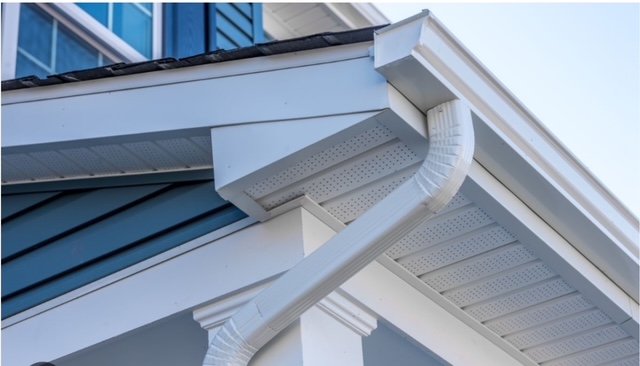
Selecting a gutter installation company is one of the most important decisions you’ll make for your home’s protection. Quality installation ensures decades of reliable performance, while poor workmanship leads to costly repairs and water damage. Many homeowners feel overwhelmed by choices, unsure how to evaluate contractors and identify quality providers. By asking the right questions, you can confidently select a company that delivers professional results and stands behind their work.
Why Choosing the Right Installer Is Critical
The stakes are higher than many homeowners realize when selecting a gutter contractor. Your choice impacts not just your gutters but your home’s overall integrity and your financial investment.
The Cost of Poor Installation
Inadequate installation creates problems that compound over time. Improper pitch causes water pooling, leading to mosquito breeding, ice formation, and premature rust or corrosion. Insufficient hangers result in sagging gutters that pull away from fascia boards, allowing water to flow behind the system and rot the wood. Poorly sealed seams leak, causing water damage to siding, foundations, and landscaping. These issues often require complete system replacement rather than simple repairs. The initial savings from choosing the cheapest contractor evaporates when you’re paying for water damage restoration, foundation repairs, or premature replacement.
Long-Term Performance Depends on Quality Workmanship
A properly installed gutter system should function maintenance-free (aside from regular cleaning) for decades. Professional installation ensures correct pitch for optimal drainage, secure attachment that withstands wind and weather, proper sealing that prevents leaks, appropriate downspout placement for effective water diversion, and integration with existing roof and fascia systems. Quality workmanship means your gutters perform their job invisibly—you never think about them because they simply work. When searching for gutter installation near me, prioritize quality and reputation over low prices.
Question 1: Are You Licensed and Insured?
This fundamental question protects you from liability and ensures you’re working with a legitimate business. Never skip this verification step.
Why This Protects You as a Homeowner
Licensed contractors have met state and local requirements demonstrating their qualifications. Licensing provides recourse if problems arise—you can file complaints with licensing boards if contractors fail to meet obligations. Insurance protects you from financial liability if workers are injured on your property or if installation causes damage. Without proper insurance, you could be held responsible for medical bills, lost wages, or property damage. Unlicensed, uninsured contractors may offer lower prices, but the risk far outweighs any savings.
What Coverage Should Be in Place
Reputable contractors carry general liability insurance covering property damage during installation. This protects you if installation damages your roof, siding, or other property. Workers’ compensation insurance covers employee injuries, preventing injured workers from suing homeowners. Professional liability insurance (errors and omissions) covers mistakes in design or planning. Request certificates of insurance and verify they’re current. Don’t accept verbal assurances—see documentation and consider calling insurance providers to confirm coverage.
Question 2: What Experience Do You Have with Local Installations?
Local experience matters because Columbia’s climate, building styles, and common challenges require specific knowledge. Contractors familiar with the area deliver better results.
Understanding Columbia’s Unique Climate Needs
Columbia receives 45 inches of rain annually with intense summer thunderstorms that test gutter capacity. The area’s clay soil expands and contracts with moisture, making proper water diversion critical for foundation protection. Local tree species—including oaks, pines, and sweetgums—drop specific types of debris requiring particular solutions. Contractors experienced with Columbia installations understand these factors and design systems accordingly. They know which materials perform best in local humidity, how to size systems for regional rainfall intensity, and where problems typically arise in local housing stock.
Portfolio and Past Project Examples
Request photos of completed projects, ideally on homes similar to yours. Look for clean installations with straight lines, even spacing, and professional attention to detail. Ask how many installations they complete annually—this indicates experience level. Inquire about their history in Columbia specifically. A company new to the area may lack familiarity with local building codes, weather patterns, and architectural styles. Established local companies understand regional nuances and have proven track records.
Question 3: What Materials and Systems Do You Recommend?
The materials and systems contractors recommend reveal their priorities and expertise. Quality contractors present options based on your needs rather than pushing single products.
Assessing Quality vs. Budget Options
Professional contractors offer multiple tiers of materials and explain differences clearly. They should discuss aluminum gauge—thicker gauge (.027 or .032) lasts longer than thin .019. They explain seamless versus sectional systems and why seamless reduces leak potential. Quality contractors recommend appropriate materials for your situation rather than always suggesting the most expensive option. They consider factors like your home’s value, how long you plan to stay, tree coverage, and budget constraints. Be wary of contractors who only offer one brand or system—they may be more interested in their profit margins than your needs.
Warranty Coverage on Materials
Material warranties vary significantly. Standard aluminum carries 20-30 year warranties, while premium copper may be warranted for 50 years or lifetime. Understand what warranties cover—some cover only material defects, while comprehensive warranties include finish, corrosion resistance, and structural integrity. Ask how warranty claims are processed. Will the manufacturer replace materials directly? Does the contractor handle claims? What labor costs apply to warranty repairs? Quality materials from reputable manufacturers provide peace of mind and protect your investment.
Question 4: Do You Provide Written Estimates and Contracts?
Written documentation protects both parties and clarifies expectations. Professional contractors always provide detailed written estimates and contracts.
Red Flags to Watch For
Verbal-only estimates or handshake agreements create disputes when expectations don’t match reality. Vague estimates without itemized costs hide potential problems. Pressure tactics demanding immediate decisions or unusually large deposits signal unethical practices. Requests for full payment upfront indicate possible scams—legitimate contractors request deposits (typically 10-30%) with the balance due upon completion. Missing contact information, temporary phone numbers, or no physical address suggest fly-by-night operators. When evaluating gutter installation proposals, insist on professional documentation.
What Should Be Included in Your Contract
Comprehensive contracts specify complete scope of work including measurements and specifications; materials with brand names, types, and colors; removal and disposal of old materials; start and completion dates; total cost broken down by materials and labor; payment schedule with amounts and timing; warranty information for materials and labor; permitting responsibility and costs; and cleanup procedures. Both parties should sign and date contracts. Keep copies of all documentation. Clear contracts prevent misunderstandings and provide recourse if disputes arise.
Question 5: What Is Your Installation Timeline?
Understanding the timeline helps you plan and sets appropriate expectations. Realistic scheduling indicates professionalism and reliability.
Typical Project Duration
Average single-story homes typically require one to two days for complete installation. Two-story or complex homes may need two to three days. Timeline factors include total linear feet of gutters, number of downspouts, removal of old systems, necessary fascia repairs, and weather conditions. Contractors should provide specific timeframes rather than vague estimates. Ask about their schedule—how far out are they booking? Reputable contractors often schedule weeks in advance, indicating strong demand and reliability. Immediate availability might suggest lack of business or quality issues.
Weather Delays and Communication
Gutter installation requires dry conditions for proper sealing and to protect exposed fascia. Columbia’s summer thunderstorms and occasional winter rain can cause delays. Professional contractors communicate proactively about weather impacts, explaining how conditions affect schedules and providing updates about rescheduling. They should have contingency plans and alternative dates ready. Ask how they handle weather delays. Will they partially complete work if weather interrupts? How much notice will you receive about schedule changes? Clear communication prevents frustration and ensures you’re not left with partially completed work during bad weather.
Question 6: Do You Offer Warranties on Your Work?
Workmanship warranties demonstrate contractor confidence and provide protection against installation defects. This question separates professional companies from less reliable operators.
Workmanship Guarantees Explained
Material warranties cover product defects, but workmanship warranties cover installation problems. Quality contractors offer workmanship warranties ranging from one to five years or more. These warranties cover leaks caused by improper sealing, gutter separation from improper attachment, sagging from insufficient hangers, and drainage problems from incorrect pitch. Understand what’s covered and what isn’t—warranties typically exclude damage from homeowner neglect, extreme weather events, or accidents. Get warranty terms in writing as part of your contract.
What Happens If Issues Arise
Ask about the warranty claim process. How quickly do they respond to problems? Is there an emergency contact for urgent issues? Do they charge trip fees for warranty service? What documentation is required? Professional contractors stand behind their work and address problems promptly and professionally. They view warranty service as protecting their reputation rather than an unwelcome expense. Long-term success depends on satisfied customers who provide referrals. When researching gutter installation Columbia companies, prioritize those with strong warranty commitments and responsive service.
Question 7: Can You Provide Local References?
References offer insights into contractor reliability, quality, and customer service. Legitimate contractors readily provide references from satisfied customers.
How to Verify Company Reputation
Request at least three recent references from the past year. Recent projects reflect current practices and quality standards. Contact references and ask specific questions: Did the project stay on budget and schedule? How was communication throughout the process? Did they clean up thoroughly? How do the gutters perform? Would you hire them again? Has the company responded to any issues? Visit completed projects if possible to see finished work quality. Look for straight lines, even spacing, proper pitch, and professional appearance.
Online Reviews vs. Direct References
Both online reviews and direct references provide valuable information. Online reviews on Google, Facebook, Yelp, and the Better Business Bureau offer unfiltered customer opinions. Look for patterns rather than individual comments. How does the company respond to negative reviews? Do they address concerns professionally? Recent reviews matter more than old ones—companies change ownership, staff, and practices. Direct references allow detailed conversations about specific concerns. Combine both sources for comprehensive assessment. Companies with consistently positive reviews across multiple platforms and satisfied recent customers likely deliver quality work.
Key Takeaways
- Verify licensing and insurance before signing any contract—this protects you from liability and ensures you’re working with legitimate, qualified contractors who meet professional standards.
- Detailed written estimates and comprehensive contracts prevent misunderstandings and provide legal protection, while verbal agreements and vague documentation create disputes and leave you vulnerable.
- Local experience, strong warranties, and verifiable references indicate contractor quality—invest time in research to find companies with proven track records in Columbia’s specific climate and building conditions.
Frequently Asked Questions
Q: How many estimates should I get before choosing a gutter installation contractor?
A: Request at least three detailed estimates from different contractors. This provides a realistic price range and helps you identify outliers—unusually low bids may indicate cut corners or hidden costs, while very high estimates might reflect overpricing. Three estimates give you enough information to make informed comparisons without becoming overwhelming. Focus on comparing total value rather than just price, considering materials quality, warranty terms, contractor experience, and included services.
Q: Is it normal for contractors to require a deposit before starting work?
A: Yes, deposits are standard practice for gutter installation. Typical deposits range from 10-30% of the total project cost. Deposits cover material purchases and secure your place in the contractor’s schedule. However, be extremely cautious of contractors requesting 50% or more upfront or demanding full payment before work begins—these practices signal potential scams. Legitimate contractors receive deposits for materials, progress payments for large projects, and final payment upon satisfactory completion.
Q: What should I do if I notice problems with my new gutters after installation?
A: Contact your contractor immediately when you notice issues. Document problems with photos and detailed descriptions. Reference your contract and warranty terms. Professional contractors respond quickly to address legitimate concerns. Most problems result from minor adjustments easily corrected. If your contractor is unresponsive or refuses to address warranty-covered issues, send written notice via certified mail documenting the problem and requesting resolution. If problems persist, contact your state’s licensing board or consumer protection agency. This is why choosing reputable, established contractors with strong warranties is crucial.
Mr. Gutter SC