
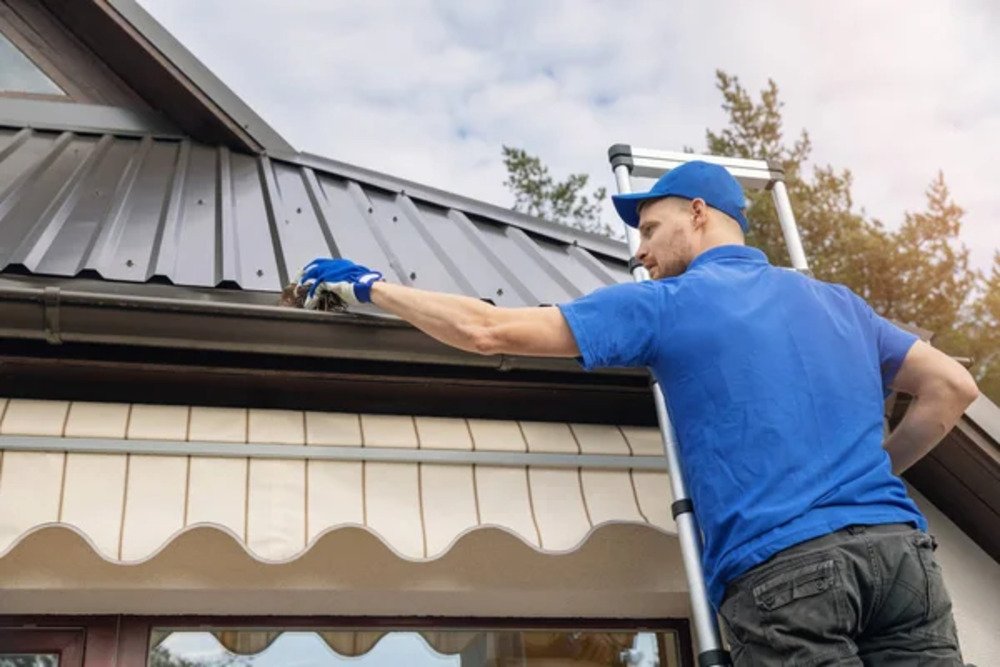
Severe weather strikes without warning, and when it does, your home’s gutter system faces its ultimate test. Storm damage to gutters creates immediate threats to your property—water pouring into foundations, flooding basements, and cascading down walls. Knowing how to respond when gutters fail during storms minimizes damage, protects your family’s safety, and helps you navigate the repair process efficiently. Irmo residents face particular challenges during severe weather, making preparation and quick response essential.
Common Storm Damage to Gutter Systems
Understanding typical storm damage helps you assess your situation and communicate effectively with repair professionals. Different weather events cause distinct types of gutter damage.
High Winds and Detached Gutters
Columbia area storms, including occasional tropical systems, bring high winds that stress gutter systems. Wind uplift on roof edges creates suction that pulls gutters away from fascia boards. Sustained winds combined with rain-filled gutters create tremendous force on attachment points. Older systems with weakened hangers or rotted fascia are particularly vulnerable. Windborne branches impact gutters, bending or separating sections. In extreme cases, entire gutter runs tear away from homes. Emergency gutter repair Irmo SC services see increased calls following every significant wind event, as homeowners discover damage after storms pass.
Heavy Rainfall and Overflow Issues
Intense rainfall overwhelms undersized or clogged gutters. When gutters can’t handle water volume, overflow creates immediate problems. Water pours around foundations, increasing hydrostatic pressure that can crack basement walls. Erosion undermines landscaping and can affect foundation stability. Water infiltrates under siding, soaking insulation and damaging interior walls. During active storms, you may be unable to address problems safely, but water damage progresses rapidly. Some storms drop several inches of rain in hours—a 2,000 square foot roof sheds over 1,200 gallons per inch of rainfall. Without functioning gutters, this water concentrates around your home’s perimeter.
Falling Debris and Impact Damage
Storms bring falling branches, blown-off roof shingles, and other debris that impacts gutters. Small branches lodge in gutters, creating immediate clogs. Large branches bend or crush gutter sections. Debris from neighboring properties becomes projectiles during high winds. Hail damages gutter surfaces and can puncture thin materials. Even after storms end, damaged trees may drop branches hours or days later. Impact damage often creates holes or dents that leak even after debris is removed. Crushed sections may require complete replacement rather than simple repair.
Immediate Steps to Take When Gutters Fail
Quick, safe action when gutter failure occurs during storms minimizes damage and protects your family. Knowing what to do before emergencies arise helps you respond effectively.
Assessing the Damage Safely
Safety is paramount during and immediately after storms. Never go outside during active severe weather—lightning, high winds, and flying debris create life-threatening conditions. Wait until storms completely pass and conditions stabilize. Even then, approach cautiously. Avoid standing water that might be electrically charged from downed power lines. Watch for unstable trees or hanging branches. Don’t climb ladders during or immediately after storms—wind gusts and wet conditions create fall hazards. Assess damage from the ground using binoculars if needed. Take photos documenting damage for insurance claims. Note specific problems like separated sections, visible leaks, or overflow locations. If you smell gas or see downed power lines, evacuate and call emergency services immediately.
Temporary Measures to Protect Your Home
While waiting for professional emergency gutter repair, take safe temporary measures to minimize ongoing damage. Move vehicles, outdoor furniture, and valuables away from areas under damaged gutters. Place buckets or tarps to catch water from obvious leaks if accessible safely from the ground. Use sandbags or plastic sheeting to divert water away from foundations if possible. Clear obvious debris from gutters if you can reach them safely from the ground—use extended poles rather than ladders. If gutters are hanging dangerously, stay clear and mark the area to prevent injury. Avoid temporary repairs requiring ladders or roof access—leave this for professionals with proper safety equipment. Document all temporary measures with photos and receipts for insurance purposes.
Documenting for Insurance Claims
Thorough documentation supports insurance claims and ensures fair compensation. Take comprehensive photos and videos of all damage from multiple angles. Document water damage inside your home including walls, ceilings, floors, and belongings. Photograph the overall storm impact on your property including downed trees, damaged roofing, or other issues. Record the date and approximate time damage occurred. Keep receipts for any emergency services or temporary repairs. Note any emergency actions you took to prevent further damage—insurance policies often require reasonable mitigation efforts. Contact your insurance company promptly to report damage and start the claims process. Many policies have strict reporting deadlines. Don’t begin permanent repairs until insurance adjusters inspect damage unless necessary to prevent further loss. When seeking emergency gutter repair near me, choose contractors experienced with insurance claims who can provide detailed documentation and estimates in formats insurers require.
Why Quick Response Matters in Emergency Situations
Time is critical when gutters fail. Every hour of continued water infiltration increases damage severity and repair costs. Understanding why speed matters motivates appropriate urgency.
Preventing Secondary Water Damage
Primary damage from failed gutters is obvious—water overflow, separated sections, visible leaks. Secondary damage develops rapidly and often exceeds primary damage costs. Water infiltrating walls saturates insulation, reducing effectiveness and promoting mold growth. Wood framing absorbs moisture, beginning rot processes that progress daily. Drywall wicking moisture becomes stained and weakened, requiring replacement. Basements flood as foundation water accumulates. Electrical systems exposed to water create fire and shock hazards. Each passing day increases moisture exposure and damage extent. Mold can begin growing within 24-48 hours in wet conditions. What starts as a gutter problem quickly becomes whole-house water damage requiring extensive, expensive remediation.
Foundation and Landscaping Protection
Homes’ most expensive component—foundations—face immediate threat from gutter failure. Water concentrating around foundations creates hydrostatic pressure forcing water through cracks or porous concrete. Irmo’s clay soil expands when saturated, putting lateral pressure on foundation walls. Over time, this causes cracks, bowing, and structural compromise. Foundation repairs often cost $10,000-$50,000 or more. Landscaping also suffers quickly. Soil erosion creates voids under walkways and driveways, causing settlement. Flower beds wash out, destroying plants and losing topsoil. Erosion can undermine foundation support, compounding structural problems. Quick gutter repair halts these progressive damages before they require massive remediation.
Avoiding Mold and Structural Issues
Mold presents serious health and property concerns. Once mold establishes in wall cavities, remediation requires professional services often costing thousands of dollars. Mold affects indoor air quality, triggering allergies and respiratory problems. Some mold types produce toxic compounds. Structural damage from prolonged moisture exposure compromises home safety and value. Rotted framing loses load-bearing capacity. Floor joists affected by moisture from below may weaken dangerously. Addressing gutter failure immediately prevents moisture conditions that enable these serious problems. The investment in emergency repair is minimal compared to mold remediation and structural repair costs.
What Makes a Gutter Issue an “Emergency”?
Not every gutter problem requires immediate emergency response. Understanding what constitutes a true emergency helps you prioritize appropriately and communicate effectively with contractors.
Situations That Require Immediate Attention
True emergencies involve active threats to property or safety. Gutters hanging precariously that might fall, creating injury risks or causing additional damage when they collapse. Active water infiltration into your home’s interior through walls or ceilings. Foundation exposure to heavy water concentration during ongoing rainfall. Electrical hazards from water contact with wiring or fixtures. Structural damage like separated sections exposing fascia and roof edges to weather. Situations where continued exposure will clearly cause escalating damage. These scenarios justify emergency service calls, which typically come with premium pricing but prevent catastrophic losses.
Problems That Can Wait for Regular Service
Many gutter issues, while needing attention, don’t require emergency response. Small leaks that drip but don’t create interior water damage can wait for standard appointments. Minor sagging that isn’t worsening can be scheduled for convenient repair timing. Clogged gutters discovered during dry weather don’t pose immediate threat. Cosmetic damage like dents or discoloration that doesn’t affect function can be addressed during regular maintenance. Clarifying whether your situation truly qualifies as an emergency helps set realistic expectations and potentially saves the premium fees emergency services command.
Finding Reliable Emergency Repair Services in Irmo
When emergencies strike, you need responsive, capable contractors who deliver quality work despite time pressure. Knowing how to find reliable emergency services prevents poor decisions made in stressful moments.
What to Look for in an Emergency Service Provider
Quality emergency contractors share key characteristics. They maintain 24/7 availability or rapid-response systems for urgent calls. They clearly communicate response times—reputable companies typically arrive within hours for true emergencies. They provide clear upfront pricing even for emergency services. They carry proper licensing and insurance. They have equipment and supplies ready for immediate deployment. They offer temporary stabilization to stop ongoing damage, followed by permanent repairs. They work with insurance companies and provide documentation for claims. They prioritize safety—both their workers’ and your property’s. Be cautious of contractors who appear immediately after storms soliciting door-to-door—these may be scammers exploiting disasters.
Response Times and Availability
Emergency situations demand quick response. The best companies prioritize true emergencies, often arriving same-day or within hours. However, major weather events affecting entire areas may overwhelm contractor capacity. During widespread storm damage, even the best companies may need 24-48 hours to reach all customers. When calling emergency services, clearly describe your situation so dispatchers can prioritize appropriately. Ask about expected response times and get commitments in writing when possible. If your situation allows, having an established relationship with a gutter company ensures you’re prioritized during emergencies. Some companies offer priority emergency response to regular maintenance customers.
Temporary vs. Permanent Repair Solutions
Emergency response often involves two stages. Immediate temporary repairs stop active damage and stabilize situations. This might include tarping damaged areas, securing loose gutters, or installing temporary drainage. These quick fixes prevent ongoing damage while allowing detailed assessment and planning for permanent repairs. Permanent repairs follow once situations stabilize, often days or weeks after emergencies. This comprehensive work properly restores system function and appearance. Understanding this two-stage process prevents disappointment when emergency crews perform temporary measures rather than complete restoration. Both stages are necessary—temporary repairs prevent escalating damage while permanent repairs restore full functionality.
Preventing Future Gutter Emergencies
While some storm damage is unavoidable, many emergency situations result from preventable neglect. Proactive maintenance dramatically reduces emergency risk.
Regular Maintenance and Inspections
The single most effective prevention strategy is consistent maintenance. Schedule professional gutter cleaning at least twice annually—spring and fall for most Irmo properties. More frequent cleaning helps homes with heavy tree coverage. Annual professional inspections identify developing problems before they become emergencies. Inspectors spot loose hangers, developing leaks, pitch problems, and other issues addressable through routine service. Between professional services, conduct visual checks after major storms and during seasonal changes. Keep gutters free of debris that adds weight and restricts flow. This basic maintenance prevents most emergency situations.
Strengthening Your Gutter System
Properties in storm-prone areas benefit from upgraded, more robust gutter systems. Consider heavier-gauge materials less susceptible to wind damage. Upgrade to more frequent hanger spacing—every 16-24 inches rather than standard 32-inch spacing. Install gutter guards that reduce debris accumulation and weight. Ensure proper attachment to solid wood rather than just fascia facing. For chronic problem areas, consider larger gutters or additional downspouts that handle higher water volumes. While these upgrades cost more initially, they provide superior storm performance and reduce emergency repair frequency.
Seasonal Preparation Tips
Preparing for storm season reduces emergency risk. Before summer storms, clean gutters thoroughly and check all hangers and attachments. Trim overhanging branches that might fall during storms. Ensure downspouts direct water well away from foundations. Before winter, clear gutters and downspouts completely, ensuring proper drainage if ice forms. Check that underground drainage systems function properly. Keep gutter company contact information readily accessible. Take photos of your gutter system in good condition—these serve as before-condition documentation if damage occurs. Knowing your system is storm-ready provides peace of mind and genuine protection.
Key Takeaways
- Safety is paramount during gutter emergencies—never attempt repairs during active storms or in unsafe conditions; assess damage from the ground and document thoroughly before contacting professionals.
- Quick response to gutter failures prevents secondary damage that often exceeds original repair costs, including foundation damage, mold growth, and structural deterioration that develop within hours or days.
- Preventive maintenance is the best emergency preparedness—regular cleaning, annual inspections, and system upgrades dramatically reduce the likelihood and severity of storm-related gutter emergencies.
Frequently Asked Questions
Q: How quickly can emergency gutter repair services respond in Irmo after a major storm?
A: Response times vary based on storm severity and area impact. For isolated emergencies, quality services often respond within 2-4 hours. After major storms affecting entire regions, response times extend to 24-72 hours as contractors work through emergency requests. Companies prioritize based on severity—active interior water infiltration or safety hazards receive fastest response. Having an established relationship with a gutter company often ensures priority scheduling. During major events, be patient and prepared for delays while maintaining documentation of ongoing damage for insurance purposes.
Q: Will insurance cover emergency gutter repairs after storm damage?
A: Most homeowner’s insurance policies cover sudden, accidental damage from storms, including gutter damage from wind, falling trees, or hail. However, coverage excludes damage from neglect or lack of maintenance—insurers may deny claims if gutters failed due to pre-existing conditions or poor upkeep. Review your policy’s specific coverage and deductibles. Document damage thoroughly with photos and videos. Report claims promptly—most policies have strict reporting deadlines. Choose contractors experienced with insurance claims who provide documentation in formats insurers require. Keep all receipts for emergency services and temporary repairs, as these may be reimbursable.
Q: Should I attempt temporary gutter repairs myself or wait for professionals?
A: Simple, ground-level temporary measures are appropriate if safely accessible—clearing obvious debris, positioning buckets under leaks, or placing sandbags to divert water. However, avoid any repairs requiring ladders, roof access, or working at heights, especially after storms when conditions remain hazardous. Falls from ladders cause thousands of serious injuries annually. Professionals have proper safety equipment, training, and insurance for elevated work. Attempting repairs beyond your skill level may worsen damage or create liability if you’re injured. When in doubt, wait for professionals—the cost of emergency service is far less than medical bills or further damage from failed DIY attempts.
Mr. Gutter SC