
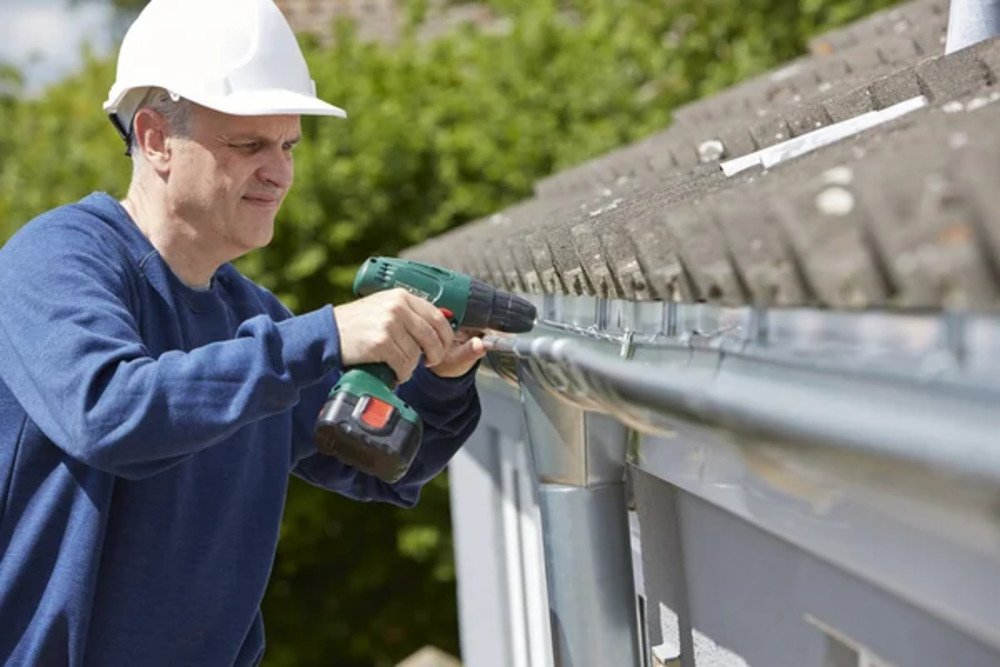
Gutter problems rarely announce themselves until damage is already occurring. Small leaks become foundation cracks. Minor sagging progresses to complete separation. What begins as a simple repair need escalates into costly replacement if neglected. Understanding common gutter problems, recognizing early warning signs, and knowing when to call professionals helps you address issues proactively. Columbia’s climate—with heavy rainfall, temperature fluctuations, and abundant vegetation—creates specific challenges that accelerate gutter wear. Quality repairs restore functionality and extend system lifespan, protecting your home investment.
Signs Your Gutters Need Repair
Recognizing problems early allows timely repairs before minor issues become major expenses. Knowing what to look for helps you monitor your gutter system effectively.
Visual Indicators of Gutter Damage
Visible problems often indicate underlying issues requiring professional attention. Look for sagging sections or gutters pulling away from fascia boards—this indicates failed hangers or rotted attachment points. Visible cracks, holes, or separation at seams signal leak points allowing water to escape. Rust or corrosion on metal gutters indicates material deterioration. Peeling paint or staining on gutters suggests chronic water exposure. Water stains or damage on exterior walls below gutter lines reveal overflow or leaks. Mildew or mold growth on gutters or nearby surfaces indicates persistent moisture. Damaged or missing end caps create leakage points. Inspect your gutters seasonally from the ground using binoculars—this safe observation method identifies obvious problems.
Performance Issues to Watch For
Functional problems may be less visible but equally important. Water overflowing during rain indicates blockages, improper pitch, or insufficient capacity. Pooling water standing in gutters after rain reveals pitch problems preventing proper drainage. Loud dripping sounds during rain suggest misaligned downspouts or leaking seams. Water pooling around your foundation indicates gutters aren’t directing water away effectively. Erosion in landscaping directly below gutters reveals concentrated overflow. Ice formation in gutters during winter indicates standing water from drainage problems. These performance issues require investigation to identify root causes and appropriate repairs. Gutter repair Columbia professionals diagnose these problems and recommend effective solutions.
When to Call a Professional
Some situations clearly warrant professional assessment. Any water infiltration inside your home requires immediate attention. Gutters hanging precariously create safety hazards. Suspected fascia board rot needs prompt investigation. Extensive damage from storms requires comprehensive evaluation. Problems recurring despite attempted repairs indicate underlying issues beyond simple fixes. When you’re uncertain about problem severity or appropriate solutions. If you’re uncomfortable with ladder work or roofline access. Professionals have expertise, equipment, and safety training to assess problems accurately and repair them effectively. Early professional intervention prevents minor problems from escalating into major expenses.
Most Common Gutter Problems in Columbia Homes
Understanding prevalent issues helps you recognize problems on your own property and appreciate why professional expertise matters for effective solutions.
Leaks and Holes
Leaks are the most common gutter problem. Small holes develop from rust, corrosion, or impact damage from falling debris. Seams separate as sealant deteriorates with age and temperature cycling. End caps fail from improper installation or material degradation. Leaks allow water to escape behind gutters, potentially rotting fascia boards and creating interior water damage. Small leaks worsen rapidly—water infiltration accelerates corrosion, and freeze-thaw cycles expand cracks. Even pinhole leaks deserve attention before they enlarge. Columbia’s temperature fluctuations—from summer highs exceeding 95°F to occasional winter freezes—stress gutter materials and sealants, accelerating leak development.
Sagging Gutters and Loose Fasteners
Sagging occurs when gutters can’t support their weight plus accumulated water and debris. Hangers spaced too far apart lack sufficient support. Over time, hangers weaken or pull loose from fascia boards. Water and debris accumulation adds significant weight—full gutter sections can weigh hundreds of pounds. As sagging develops, water pools in low spots rather than draining, worsening the problem. The weight stress damages seams, creating separation and leaks. Gutters pulling away from houses often indicate fascia board rot—as wood deteriorates, it can’t hold fasteners securely. This becomes self-perpetuating as separated gutters allow water behind them, causing more rot and weaker attachment points.
Separated Seams and Joints
Sectional gutter systems connect multiple pieces with seams that eventually fail. Temperature changes cause expansion and contraction, stressing sealants. Age deteriorates caulking materials. Debris and standing water accelerate seal degradation. Separated seams leak, allowing water to escape the drainage system. While seam repairs are possible, recurring separation often indicates it’s time for seamless gutter replacement. Seamless gutters—custom-fabricated in continuous runs with seams only at corners and downspouts—eliminate most potential leak points. When evaluating gutter repair needs, contractors assess whether repair or replacement provides better long-term value.
Damaged Downspouts
Downspouts face multiple problems. They clog with debris, creating backup into gutters and overflow. Impact from lawn equipment, falling branches, or accidents dents or crushes them. Attachments loosen, allowing downspouts to separate from gutters or walls. Underground extensions collapse or become disconnected. Inadequate downspout capacity for roof area creates overflow even when gutters are clear. Proper downspout function is critical—gutters collect water, but downspouts direct it away from foundations. Even perfect gutters fail to protect your home if downspouts don’t function properly. Repairs might include clearing blockages, replacing damaged sections, securing loose attachments, or adding downspouts to increase capacity.
Leaking Gutters: Causes and Solutions
Leaks are pervasive problems with multiple potential causes requiring different repair approaches. Understanding leak sources ensures effective repairs rather than temporary patches.
Identifying the Source of Leaks
Leak diagnosis requires investigation beyond visible symptoms. During rain, observe where water escapes—this pinpoints leak locations. From inside attics, look for water stains on rafters near gutter lines indicating leaks at attachment points. Check seams carefully—many leaks occur where sections join. Examine end caps, which often leak if improperly sealed. Inspect gutter bottoms for holes from rust or punctures. Look at fascia boards—water stains or rot indicate water has been leaking behind gutters. Sometimes leaks originate from roofing problems rather than gutters themselves—damaged shingles or flashing allow water to flow behind gutters. Accurate diagnosis ensures repairs address actual problems rather than symptoms. When seeking gutter repair near me, choose contractors who thoroughly diagnose problems rather than applying quick patches.
Sealing Techniques and Materials
Effective leak repair requires appropriate materials and techniques. Small holes or cracks can be sealed with specialized gutter sealants—silicone or polyurethane products that remain flexible through temperature changes. Larger holes require patching with metal or fiberglass patches bonded with sealant. Seam repairs involve cleaning old sealant completely, applying new high-quality gutter sealant, and sometimes installing seam reinforcement. End cap repairs require removing old caps, cleaning surfaces thoroughly, applying sealant, and securing caps properly. All repairs require clean, dry surfaces for proper adhesion. Quality repairs often include reinforcing weak areas with additional fasteners or support brackets. Professional-grade materials outlast consumer products—they’re formulated for temperature extremes and water exposure that gutters experience.
When Replacement Is Necessary
Some leak situations are beyond effective repair. If gutters have multiple leaks indicating overall deterioration, repair costs may approach replacement costs while providing only temporary solutions. Extensive corrosion or rust affects entire sections rather than isolated areas. Damaged seams on sectional gutters often recur even after repair. If gutters are over 20 years old with multiple problems, replacement usually provides better long-term value. Leaks accompanied by significant sagging or structural damage indicate systemic problems. Professional contractors provide honest assessments of repair versus replacement costs and benefits. Sometimes strategic partial replacement of severely damaged sections while repairing better sections offers cost-effective solutions.
Fixing Sagging and Misaligned Gutters
Sagging and improper alignment prevent effective drainage and create progressive damage. Repairing these problems restores proper function and prevents worsening conditions.
Understanding Proper Gutter Pitch
Gutters require precise slope to drain properly—typically 1/4 inch of decline per 10 feet of gutter run. This seemingly subtle pitch ensures water flows toward downspouts rather than pooling. Too little pitch causes standing water that breeds mosquitoes, promotes rust, and stresses systems during freezes. Too much pitch looks unattractive and can cause water to flow too quickly, overshooting downspout openings. Measuring existing pitch requires leveling tools and expertise. Reestablishing correct pitch involves repositioning hangers and gutters systematically. Long gutter runs may need high points in the center sloping toward downspouts at each end. Professional installers use precise leveling equipment ensuring optimal pitch throughout systems.
Reinforcing Hangers and Brackets
Sagging repairs center on strengthening support systems. Adding hangers at closer intervals—every 18-24 inches rather than 32 inches—provides better support. Replacing weak hangers with heavy-duty models increases load capacity. Spike-and-ferrule hangers common in older installations should be replaced with strap or bracket hangers providing superior support. Hidden hangers installed under first roof shingles offer excellent support without visible hardware. Installing fascia board reinforcement or replacing rotted fascia provides solid mounting surfaces. Gutter repairs sometimes require coordinated roof and carpentry work addressing underlying structural issues. Quality hangers use corrosion-resistant materials maintaining strength through years of exposure.
Structural Assessment and Repair
Comprehensive sagging repairs require assessing entire systems. Contractors inspect all hangers and attachment points, evaluate fascia board condition, check roof edge and shingle condition, measure existing pitch, and identify water damage from previous failures. They develop repair plans addressing all issues rather than simply tightening visible problems. Repairs might include replacing rotted fascia boards, reinforcing roof edges, installing additional hangers, repositioning gutters to correct pitch, and repairing concurrent leak problems. This comprehensive approach ensures lasting repairs rather than addressing symptoms while underlying problems persist. While thorough repairs cost more than quick fixes, they provide long-term solutions protecting your investment.
Addressing Clogged and Overflowing Gutters
Clogs cause numerous problems and often indicate inadequate maintenance routines requiring adjustment. While cleaning resolves immediate issues, preventing future clogs protects your system and home.
Root Causes of Persistent Clogs
Some properties experience chronic clogging despite regular cleaning, indicating underlying issues. Gutters with inadequate pitch trap debris in low spots that never fully clear. Insufficient downspouts for roof area cause water backup pushing debris into clogs. Overhanging branches drop excessive debris overwhelming normal drainage. Screen or guard systems may be failing, allowing debris through. Downspouts may have internal clogs restricting flow even when gutters appear clear. Underground drainage problems cause backup into downspouts and gutters. Identifying root causes rather than repeatedly clearing symptoms provides lasting solutions. Sometimes addressing clog causes requires trimming trees, adding downspouts, repairing pitch problems, or installing or replacing protection systems.
Professional Cleaning vs. Repair Needs
Cleaning removes accumulated debris restoring flow, but doesn’t address structural problems. During cleaning, professionals assess system condition, identifying damage requiring repair, pitch problems affecting drainage, inadequate capacity for roof size, and other issues. Quality gutter services combine cleaning with inspection, providing comprehensive system evaluation. Sometimes what appears as simple clogging actually indicates failed protection systems, damaged gutters trapping debris, or downspout problems. Professional assessment distinguishes between maintenance needs and repair requirements. Comprehensive service addresses both immediate cleaning needs and underlying problems requiring repair attention.
Prevention Strategies
Preventing clogs is more effective than repeatedly cleaning them. Regular professional cleaning—at least twice yearly for most Columbia properties—removes debris before it creates problems. Installing quality gutter protection systems dramatically reduces debris accumulation. Trimming overhanging branches limits debris sources. Ensuring proper pitch prevents debris trapping in low spots. Adding downspouts increases flow velocity, helping flush debris through systems. Installing downspout strainers catches debris before it enters underground drainage, preventing blockages that cause backup. Developing preventive maintenance schedules transforms gutter care from reactive crisis management to proactive protection, reducing overall costs and preventing damage.
DIY Repairs vs. Professional Service
Some gutter repairs suit homeowner capabilities while others demand professional expertise. Understanding which is which helps you make safe, effective decisions.
Simple Fixes Homeowners Can Handle
Certain repairs are appropriate DIY projects for handy homeowners with proper safety equipment. Cleaning gutters and downspouts requires only ladders and basic tools—though safety precautions are essential. Clearing minor clogs with plumber’s snakes or water pressure addresses simple blockages. Applying sealant to small visible leaks using gutter repair products is straightforward. Reattaching loose downspout extensions with screws takes minimal skill. Adjusting or replacing splash blocks directing water away from foundations needs no special expertise. These simple maintenance tasks help homeowners maintain systems between professional services. However, even these require appropriate ladder safety, proper tools, and realistic assessment of your capabilities.
When to Call the Experts
Many repairs exceed typical homeowner capabilities or safety tolerances. Any repairs requiring roofline access or working above first-floor heights involve significant fall risks—professionals have safety equipment and training. Diagnosing complex problems like hidden leaks or pitch issues requires expertise and tools. Rehanging sagging gutters properly demands understanding correct pitch and secure attachment methods. Replacing gutter sections or downspouts requires matching materials and proper connections. Fascia board repair combines carpentry skills with understanding of water drainage. Storm damage assessment for insurance claims benefits from professional documentation. Any repairs making you uncomfortable should be left to professionals—your safety isn’t worth risking. The cost of professional service is minimal compared to medical expenses or property damage from failed DIY attempts.
Safety Considerations
Gutter work involves inherent hazards requiring respect and preparation. Falls from ladders cause thousands of serious injuries and hundreds of deaths annually. Ladder use requires proper equipment—extension ladders with appropriate ratings positioned correctly on stable ground. Someone should always know you’re working at heights. Never work on ladders during wind, rain, or electrical storms. Ensure ladders are positioned away from power lines. Wear appropriate footwear providing traction. Use tool belts keeping hands free for balance. Be aware of bee or wasp nests common in gutters—disturbing nests while on ladders creates dangerous situations. If you have health conditions affecting balance or strength, avoid elevated work. Professional contractors carry liability insurance, workers’ compensation, and specialized equipment minimizing risk. Safety should always outweigh cost savings in repair decisions.
The Gutter Repair Process: What to Expect
Understanding professional repair processes helps you select quality contractors and sets appropriate expectations for service quality and outcomes.
Initial Inspection and Assessment
Professional service begins with comprehensive inspection. Contractors examine all gutters, hangers, and downspouts; test pitch with leveling equipment; identify leaks, damage, and wear; assess fascia board condition; and evaluate overall system performance. They discuss findings with you, explaining problems in understandable terms and providing repair recommendations prioritized by urgency and importance. Quality contractors provide detailed written assessments with photographs documenting problems. They answer your questions and explain why specific repairs are necessary. This educational approach helps you understand your system’s condition and make informed decisions about repairs.
Repair Timeline and Costs
Repair timelines depend on problem extent and material availability. Simple repairs like sealing leaks or reattaching loose sections often complete in a few hours. Extensive repairs requiring multiple sections, hanger replacement, or fascia work may take a full day or more. Material ordering for specific colors or unusual profiles may add days to timelines. Contractors should provide clear timeframe estimates before beginning work. Costs vary widely based on problem severity, materials needed, labor intensity, and property accessibility. Minor repairs might cost $150-$300, while extensive work approaches $1,000 or more. Multiple small repairs often cost less when addressed together versus separate service calls. Request detailed written estimates specifying work scope, materials, labor costs, and timeline. Understand payment terms—deposits for extensive work are normal; full payment before completion is not.
Warranties and Follow-Up Service
Quality repairs include warranty protection. Material warranties cover components used—sealants, hangers, replacement sections typically carry 1-5 year warranties depending on products. Workmanship warranties cover repair quality—reputable contractors offer at least 1-year labor warranties. Understand warranty terms—what’s covered, claim procedures, and exclusions. Get warranty information in writing. Quality contractors stand behind their work and address warranty issues promptly. They typically provide follow-up contact information and encourage you to call if problems arise. Some offer complimentary post-repair inspection after the first significant rain to ensure repairs perform as expected. This commitment to customer satisfaction distinguishes professional service from quick-fix approaches.
Preventive Maintenance to Avoid Future Repairs
Proactive maintenance prevents most repair needs, saving money while ensuring reliable system performance. Establishing maintenance routines protects your investment long-term.
Regular Inspection Schedule
Scheduled inspections catch developing problems before they require expensive repairs. Inspect gutters twice annually minimum—spring after pollen season and fall after leaf drop. Additional inspection after major storms identifies weather damage promptly. During inspections, check for visible damage, test drainage during rain, look for signs of overflow, examine hangers and attachments, and verify downspouts discharge properly away from foundations. Document inspection findings with photos tracking system condition over time. Some homeowners prefer professional inspections providing expert evaluation and documentation. Annual professional inspection combined with personal monitoring provides comprehensive oversight.
Seasonal Maintenance Tips
Seasonal maintenance addresses Columbia’s specific challenges. Spring: clean gutters thoroughly after pollen season, inspect for winter damage, check that winter debris hasn’t created clogs, and trim overhanging branches growing during spring. Summer: verify systems handle summer thunderstorm intensity, check for signs of UV damage to materials, ensure downspouts direct water well away from foundations during intense rain. Fall: clean extensively after leaf drop, prepare for winter with thorough debris removal, inspect before winter for any repairs needed. Winter: monitor during occasional freezes for ice formation indicating standing water, clear mild-weather debris accumulation. Consistent seasonal attention prevents most problems while catching those that develop early when repairs are simple.
Extending Your Gutter System’s Lifespan
Maximizing gutter lifespan protects your investment. Regular cleaning prevents debris weight stress and standing water corrosion. Prompt repairs prevent small problems from causing progressive damage. Quality gutter guards reduce debris accumulation and maintenance requirements. Proper downspout drainage prevents foundation water causing system stress. Trimming overhanging branches limits debris sources and prevents branch impact damage. Occasional repainting or resealing extends aluminum gutter life. Addressing fascia problems prevents rot affecting gutter attachment. With proper care, quality aluminum gutters easily achieve 25-30 year lifespans, while neglected systems may fail in half that time. Your maintenance commitment directly impacts system longevity and performance.
Key Takeaways
- Common gutter problems—leaks, sagging, clogs, and damaged downspouts—worsen rapidly if neglected, making early detection through regular inspection and prompt professional repair essential for protecting your home and minimizing costs.
- Professional gutter repair provides comprehensive solutions addressing root causes rather than symptoms, using proper materials, techniques, and warranty protection that DIY approaches typically cannot match.
- Preventive maintenance through regular cleaning, seasonal inspections, and prompt attention to minor issues prevents most major repair needs, extending your gutter system’s lifespan to 25-30 years while protecting your home from water damage.
Frequently Asked Questions
Q: How much should I expect to pay for typical gutter repairs in Columbia?
A: Repair costs vary widely based on problem type and extent. Simple repairs like sealing minor leaks or reattaching loose sections cost $150-$300. Moderate repairs including multiple leak seals, several hanger replacements, or downspout repairs run $300-$600. Extensive repairs with significant hanger replacement, multiple section replacements, or fascia repair reach $600-$1,200 or more. Factors affecting cost include problem severity, materials needed, labor intensity, accessibility, and whether additional carpentry work is required. Request detailed written estimates from multiple contractors for accurate property-specific pricing. Remember that neglecting repairs usually increases eventual costs significantly.
Q: Can I temporarily fix a leaking gutter myself until I can get professional repair?
A: Yes, temporary fixes can prevent damage until professional repairs are possible. For small leaks, apply waterproof gutter sealant or silicone caulk from hardware stores—clean and dry the area first for best adhesion. For larger holes, use aluminum flashing and sealant as temporary patches. For separated seams, apply heavy-duty waterproof tape as interim measure. Place buckets under active leaks to catch water and protect foundations. However, understand these are temporary—they don’t address underlying problems and won’t last long-term. Schedule professional repair promptly. Avoid working at heights without proper safety equipment and expertise.
Q: How do I know if my gutters need repair or complete replacement?
A: Several factors indicate replacement rather than repair. If gutters are over 20 years old with multiple problems, replacement typically offers better value. Extensive corrosion, numerous leaks, or widespread damage suggest systemic deterioration beyond effective repair. If repair costs exceed 50% of replacement costs, replacement makes more financial sense. Sectional gutters with recurring seam failures benefit from seamless replacement. Gutters with significant sagging indicating structural compromise often need replacement. However, localized damage on otherwise sound systems may warrant targeted repair. Professional assessment provides honest recommendations based on your specific situation—quality contractors won’t push replacement if repairs provide adequate solutions.
Mr. Gutter SC