
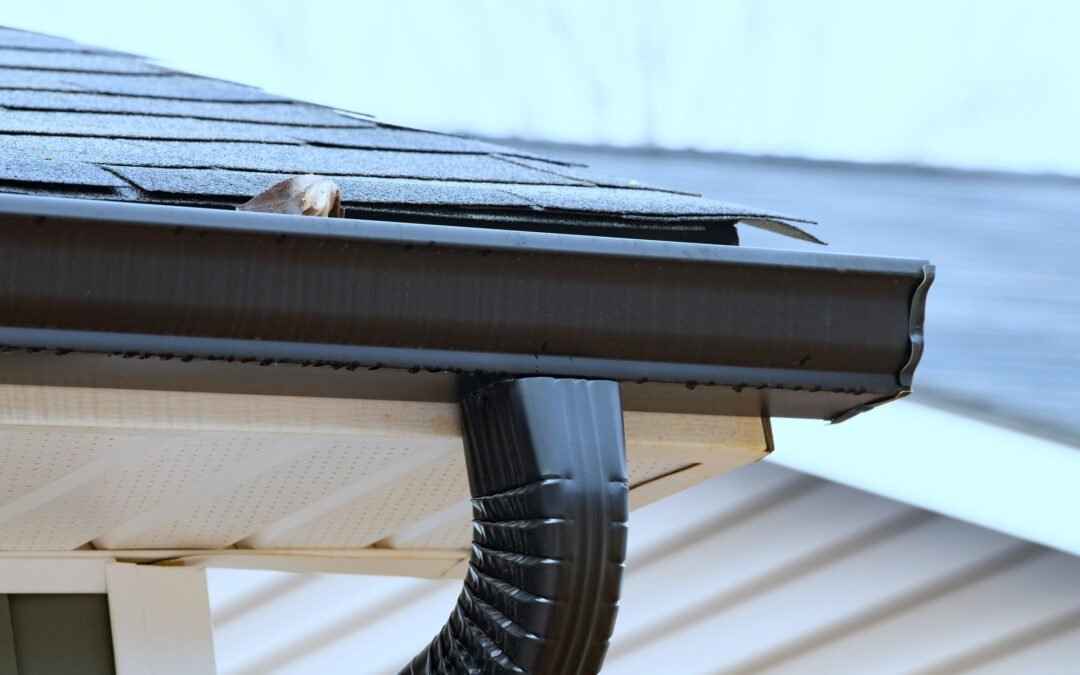
When it comes to protecting your Lexington home from water damage, choosing the right gutter material is one of the most important decisions you’ll make. While several options exist, aluminum gutters Lexington SC homeowners install have become the overwhelming favorite for residential properties. Understanding why aluminum dominates the market and how it performs in South Carolina’s specific climate helps you make informed decisions about your home’s drainage system.
Understanding Aluminum Gutters and Their Advantages
Aluminum gutters have revolutionized residential water management since becoming widely available in the mid-20th century. Unlike older materials that dominated earlier eras, aluminum offers a unique combination of properties making it ideal for modern homes.
Why Aluminum Has Become the Industry Standard
Aluminum’s rise to dominance in the gutter industry stems from multiple practical advantages. The material naturally resists rust and corrosion—critical in South Carolina’s humid climate where moisture exposure is constant. Unlike steel gutters that develop rust spots and holes, aluminum maintains its integrity for decades even with persistent water contact. The material’s lightweight nature simplifies installation while reducing stress on fascia boards and roof structures. A typical aluminum gutter section weighs 60-70% less than comparable steel, making it easier to handle and less likely to sag over time.
Aluminum’s malleability allows for seamless gutter fabrication. Professional installers use portable machines to create continuous gutter runs custom-fitted to your home’s exact measurements. These seamless systems eliminate most potential leak points—a significant advantage over sectional gutters with multiple joints. The material accepts paint and finishes readily, providing extensive color options that complement any home exterior. Modern baked-enamel finishes resist fading, chipping, and chalking even under intense UV exposure typical of Southern summers.
Cost-Effectiveness and Long-Term Value
When evaluating gutter materials, total cost of ownership matters more than initial price. Aluminum gutters occupy the middle ground—more expensive than vinyl but significantly less costly than copper. For an average Lexington home with 150 linear feet of gutters, aluminum installation typically costs $1,200-$2,500 depending on gauge thickness and finish quality. This represents excellent value considering performance and longevity.
Aluminum’s durability translates to minimal maintenance costs over its 20-30 year lifespan. The material doesn’t require painting or special treatments to maintain performance. It won’t rot like wood or become brittle like vinyl in extreme temperatures. While copper gutters may last longer, they cost three to five times more—a premium most homeowners find unjustifiable given aluminum’s excellent performance. Considering cleaning, maintenance, and eventual replacement, aluminum provides the best return on investment for typical residential applications.
Performance in Lexington’s Climate
Lexington’s climate creates specific challenges that aluminum handles exceptionally well. The area experiences hot, humid summers with temperatures regularly exceeding 95°F. Aluminum’s high melting point and UV-resistant finishes prevent warping, sagging, or degradation from intense sun exposure. The material expands and contracts minimally with temperature changes—much less than vinyl—maintaining proper pitch and alignment through seasonal cycles.
Summer thunderstorms bring intense rainfall that tests gutter capacity. Aluminum’s strength allows fabrication of wider, deeper profiles handling high water volumes without structural compromise. The material’s rigidity prevents the flexing and bowing that can occur with thinner materials during heavy downpours. Winter’s milder temperatures occasionally include freezes. While not subject to severe ice damage like northern climates, Lexington gutters still experience freeze-thaw cycles. Aluminum’s durability and flexibility handle these cycles without cracking or splitting.
Comparing Aluminum to Other Gutter Materials
Understanding how aluminum compares to alternatives helps justify material selection and sets appropriate expectations for performance and maintenance.
Aluminum vs. Vinyl Gutters
Vinyl gutters offer the lowest upfront cost—typically 30-40% less than aluminum. This makes them attractive for tight budgets or temporary solutions. However, vinyl’s limitations become apparent over time. The material becomes brittle with age and UV exposure, particularly in South Carolina’s intense sun. Cracking commonly occurs within 10-15 years. Vinyl can’t be fabricated seamlessly like aluminum—all vinyl installations use sectional systems with numerous seams prone to leaking. The material lacks aluminum’s strength, sagging more readily under water and debris weight.
Temperature extremes affect vinyl significantly. Heat causes expansion that can pull sections apart at joints. Cold temperatures increase brittleness. Vinyl offers limited color options—typically white or a few neutral tones—with no possibility for custom painting. The material’s lower weight initially seems advantageous but actually indicates weakness that leads to earlier failure. For homeowners planning to stay in homes long-term, aluminum’s higher initial cost delivers far better value through superior longevity and performance.
Aluminum vs. Steel Gutters
Steel gutters offer maximum strength—beneficial for commercial applications or areas with extreme weather. However, residential applications rarely require steel’s strength, making its disadvantages outweigh benefits. Steel’s primary weakness is rust susceptibility. Even galvanized or painted steel eventually develops rust in South Carolina’s humid environment. Once rust begins, it progresses rapidly, causing holes and structural failure. Steel weighs significantly more than aluminum, requiring stronger fascia attachment and creating more stress on structures.
Steel costs more than aluminum initially with no corresponding residential benefit. The material requires more maintenance—periodic painting to prevent rust and more frequent inspection for corrosion. Steel’s rigidity makes it less forgiving during impacts from falling branches or ladders. While aluminum dents, steel may crack or separate from impact. For typical Lexington homes, aluminum provides adequate strength with far superior corrosion resistance and easier maintenance. When searching for aluminum gutters near me, homeowners consistently choose aluminum over steel for residential applications.
Aluminum vs. Copper Gutters
Copper represents the premium option, offering unmatched beauty and longevity exceeding 50 years. The material develops a distinctive patina over time that many find attractive. Copper never rusts and maintains structural integrity indefinitely. However, copper’s advantages come at substantial cost—typically $15-$25 per linear foot installed, compared to $8-$15 for quality aluminum. For an average home, this translates to $5,000-$8,000 for copper versus $1,500-$3,000 for aluminum.
Few residential applications justify copper’s premium. Unless matching existing copper elements or installing on high-end custom homes where appearance justifies cost, aluminum delivers comparable performance at fraction of the price. Copper requires specialized installation expertise and can’t be seamlessly fabricated on-site like aluminum. The material also weathers variably—some homeowners love the patina while others dislike the green discoloration. Aluminum’s painted finishes maintain consistent appearance throughout their lifespan. For most Lexington homeowners, aluminum provides the best balance of performance, appearance, and value.
Aluminum Gutter Thickness and Quality Grades
Not all aluminum gutters perform equally. Understanding thickness grades and quality indicators helps you select systems that deliver optimal longevity and performance.
Understanding Gauge Measurements
Aluminum thickness uses gauge measurements—confusingly, lower numbers indicate thicker material. Standard residential aluminum gutters come in .027, .032, and .040 gauge. The .027 gauge represents the minimum acceptable quality for residential use—thin but adequate for light-duty applications or budget installations. These thinner gutters are more susceptible to denting from ladders or falling debris and may develop oil-canning (visible waviness) over time.
The .032 gauge offers the best balance for most homeowners—substantially stronger than .027 while costing only slightly more. This thickness resists denting better, maintains straighter lines, and provides longer service life. Most quality contractors recommend .032 as the standard residential choice. The .040 gauge represents premium residential or light commercial thickness. It offers maximum strength and dent resistance but costs 20-30% more than .032. Unless your property has extreme exposure to falling debris or you want absolute maximum longevity, .032 gauge serves most Lexington homes excellently.
Finish Quality and Durability
Beyond aluminum thickness, finish quality dramatically affects appearance longevity and maintenance requirements. Factory-applied baked-enamel finishes offer superior durability compared to painted gutters. The baking process bonds finish to aluminum at molecular level, creating extremely durable coating resistant to chipping, peeling, and fading. Quality finishes include UV inhibitors preventing color degradation from South Carolina’s intense sun.
Finish thickness matters—premium systems apply multiple coats totaling 1-2 mils thickness. Thicker finishes resist scratching and wear better than thin applications. Color selection affects performance too. Lighter colors reflect more heat, reducing thermal expansion and extending finish life. Darker colors absorb heat, potentially shortening finish longevity in intense sun. Quality manufacturers warranty finishes for 20-30 years against fading, chalking, and peeling—testament to their durability. When comparing estimates, verify finish specifications and warranty terms rather than focusing solely on price.
Seamless vs. Sectional Aluminum Systems
Aluminum’s malleability enables seamless fabrication—one of its greatest advantages. Seamless gutters are created on-site using portable roll-forming machines that shape flat aluminum coil into finished gutter profiles. These machines produce continuous runs up to 100 feet or more, limited only by practical handling considerations. Most homes have gutter runs under 50 feet, easily accomplished as single seamless sections.
Seamless systems have seams only at inside and outside corners and at downspout locations—typically reducing potential leak points by 80-90% compared to sectional systems. This dramatically improves long-term reliability and reduces maintenance. While seamless installation requires professional equipment and expertise, the performance advantage justifies the professional service cost. Sectional aluminum gutters use pre-cut lengths—typically 10 feet—joined with slip connectors and sealed with caulk. Every joint represents a potential leak point. Over time, thermal expansion and contraction stress these joints, causing seal failure.
Installation Considerations for Lexington Homes
Proper installation ensures aluminum gutters perform optimally throughout their lifespan. Understanding installation factors helps you evaluate contractors and set appropriate expectations.
Proper Sizing for Lexington Rainfall
Lexington receives approximately 45 inches of annual rainfall with intense summer thunderstorms that test gutter capacity. Proper sizing prevents overflow during these events. Standard residential gutters measure 5 inches wide, adequate for roofs up to approximately 2,500 square feet with moderate pitch. Larger roofs, steeper pitches that accelerate water flow, or properties with limited downspout locations benefit from 6-inch gutters handling 40-50% more water volume.
Downspout sizing and placement equally impact performance. Standard 2×3 inch downspouts handle typical water volume, but 3×4 inch downspouts provide superior flow for larger systems or intense rainfall. Downspout spacing affects performance significantly—maximum 35-40 feet between downspouts ensures proper drainage even during heavy storms. Professional installers calculate water volume based on roof area, pitch, and local rainfall intensity, recommending appropriate sizing for reliable performance.
Critical Installation Details
Installation quality determines long-term performance regardless of material quality. Proper pitch—typically 1/4 inch decline per 10 feet—ensures water flows toward downspouts without pooling. Too little pitch causes standing water; too much looks unattractive and may cause water to overshoot downspout openings. Hanger spacing critically affects longevity. Quality installations place hangers every 18-24 inches maximum—closer spacing for .027 gauge gutters. Inadequate spacing causes sagging over time.
Hanger type matters too. Hidden hangers installed under first roof shingles provide superior support without visible hardware. Strap hangers offer similar strength with easier installation on existing systems. Traditional spike-and-ferrule hangers are outdated—they damage gutters over time and provide inferior support. Proper sealing at joints, corners, and end caps prevents leaks. Professional installers use quality sealants rated for outdoor exposure and temperature extremes. They test installations with water before completion, ensuring proper flow and verifying absence of leaks.
Working with Professional Installers
Aluminum gutter installation demands professional expertise and equipment for optimal results. Seamless fabrication requires specialized roll-forming machines costing thousands of dollars. Proper installation requires understanding of proper pitch, hanger selection and spacing, sealing techniques, and integration with roofing and fascia. Professional installers carry appropriate liability insurance and workers’ compensation protecting homeowners from liability.
When selecting contractors, verify licensing and insurance, request local references, examine completed installations, compare detailed written estimates, and understand warranty terms. Quality contractors provide warranties covering both materials (typically 20-30 years) and workmanship (1-5 years). They communicate clearly about schedules, address concerns professionally, and stand behind their work. The installation cost difference between quality professionals and low-bidders is typically modest—$200-$400 for average homes—but the performance difference is substantial.
Maintaining Your Aluminum Gutters
While aluminum requires minimal maintenance compared to other materials, some care ensures optimal performance and maximum lifespan.
Regular Cleaning and Inspection
Aluminum gutters need cleaning at least twice annually—spring after pollen season and fall after leaf drop. Properties with heavy tree coverage may require quarterly cleaning. Accumulated debris adds weight stressing hangers, restricts water flow causing overflow, traps moisture promoting algae growth, and creates pest habitat. Professional cleaning costs $150-$300 per service for typical homes—modest investment preventing expensive damage.
Annual inspection identifies developing problems when repairs remain simple and inexpensive. Inspect for loose hangers, minor leaks at seams or corners, proper pitch and drainage, fascia board condition, and finish deterioration. Addressing minor issues promptly prevents progression into major repairs. Many homeowners combine professional cleaning with thorough inspection, ensuring comprehensive system evaluation.
Protecting Finish and Appearance
Quality aluminum finishes resist fading and deterioration for decades with minimal care. Occasional rinsing with garden hose removes accumulated dirt, pollen, and environmental deposits. Avoid pressure washing directly on gutters—high pressure can damage finishes and force water behind systems. For stubborn stains, use mild detergent and soft brush. Never use abrasive cleaners or tools that scratch protective finishes.
Overhanging branches that rub gutters during wind can wear through finishes over time. Trim branches maintaining 3-6 feet clearance. This also reduces debris accumulation and prevents impact damage from falling limbs. If minor finish damage occurs—scratches or small chips—touch-up paint matching your gutter color prevents corrosion from starting at damage points. Most gutter manufacturers or local paint stores can color-match finishes for minor repairs.
When to Consider Gutter Guards
Gutter guards dramatically reduce maintenance requirements while protecting aluminum gutters from debris accumulation. Micro-mesh systems made from stainless steel block virtually all debris while handling Lexington’s heavy rainfall effectively. These systems install over existing aluminum gutters, typically costing $15-$25 per linear foot. For homes with significant tree coverage or homeowners unable to safely perform gutter maintenance, guards provide excellent return on investment through reduced cleaning costs and enhanced protection.
Quality guards extend aluminum gutter lifespan by reducing debris weight and moisture exposure. They minimize cleaning frequency to once every few years for inspection purposes. While guards represent additional upfront investment, most homeowners recoup costs within 5-10 years through cleaning savings. Guards also improve safety by reducing ladder use frequency—important for aging homeowners or those uncomfortable with heights.
Key Takeaways
- Aluminum gutters provide the optimal balance of performance, durability, and value for Lexington homes, resisting rust in humid climates, offering seamless installation that minimizes leaks, and delivering 20-30 year lifespans at moderate cost.
- Quality matters significantly—.032 gauge aluminum with premium baked-enamel finishes dramatically outperforms thin .027 gauge or inferior finishes, justifying slightly higher costs through superior longevity and reduced maintenance.
- Professional installation ensures proper sizing, pitch, and attachment that determine long-term performance, making the modest cost difference between quality contractors and low-bidders worthwhile for reliable results.
Frequently Asked Questions
Q: How long do aluminum gutters typically last in Lexington’s climate?
A: Quality aluminum gutters with proper installation and maintenance typically last 20-30 years in Lexington’s climate. The material’s rust resistance performs excellently in South Carolina’s humidity. Factors affecting longevity include aluminum gauge thickness (.032 outlasts .027), finish quality (premium finishes last longer), installation quality (proper pitch and attachment), and maintenance consistency (regular cleaning extends life). Some well-maintained aluminum systems exceed 30 years. Conversely, neglected systems may fail sooner. The .032 gauge with quality finish represents the best value for long-term performance in local conditions.
Q: Can I install aluminum gutters myself or should I hire professionals?
A: While sectional aluminum gutters are available for DIY installation, professional installation offers significant advantages that typically justify the cost. Seamless gutters—which provide superior performance—require specialized roll-forming equipment available only to professionals. Proper installation demands expertise in calculating correct pitch, selecting and spacing hangers appropriately, sealing joints to prevent leaks, and integrating with roof and fascia systems. Professionals complete installations safely with proper equipment and insurance. DIY installation saves perhaps $500-$800 on material-only costs but risks improper pitch, inadequate support, and potential leaks that compromise performance. For most homeowners, professional installation ensures optimal results.
Q: What’s the best color choice for aluminum gutters in Lexington?
A: Color selection should balance aesthetic preferences with practical performance considerations. Popular choices include white and off-white (matches most trim, reflects heat reducing thermal stress, shows less dirt between cleanings), medium browns and tans (complements brick and earth-tone exteriors, hides debris between cleanings), and grays (contemporary appearance, works with modern color schemes). Darker colors like black, navy, or dark bronze create striking architectural statements but absorb more heat, potentially shortening finish life. Match gutters to existing trim for seamless appearance or contrast with house color for architectural interest. Quality finishes in any color perform well, but lighter colors generally show less thermal stress over time.
Mr. Gutter SC