
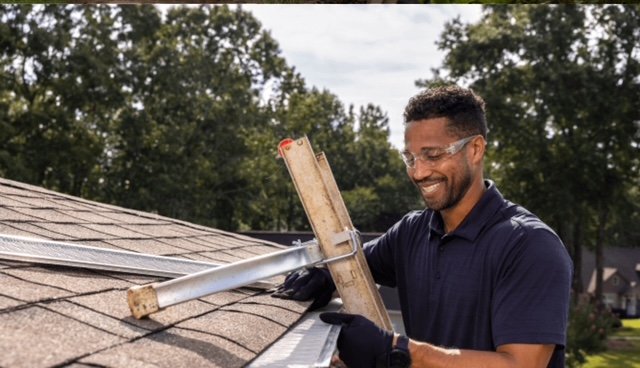
Most homeowners give little thought to their gutters until water cascades over edges during storms or visible damage demands attention. By then, what could have been a simple repair has often escalated into an expensive problem. Professional gutter inspection Lexington SC services provide proactive assessment identifying issues before they cause damage. Understanding what thorough inspections involve, why they matter for Lexington properties, and how to interpret findings helps you maintain your home’s critical drainage infrastructure effectively.
The Critical Role of Gutter Inspections
Gutter inspection serves as preventive medicine for your home’s water management system. Like medical checkups that catch health issues early, gutter inspections identify developing problems when solutions remain simple and affordable.
Why Regular Inspections Matter
Gutter problems rarely announce themselves with dramatic failures. Instead, they develop gradually—a small leak allows water behind gutters for months before fascia rot becomes visible. A loose hanger permits slight sagging that worsens over seasons. Accumulated debris restricts flow incrementally until complete blockage causes overflow. Without regular inspection, these progressive problems continue unnoticed until damage is extensive.
Professional inspections catch issues at early stages when repairs cost hundreds rather than thousands. An inspector identifies a beginning leak at a seam—$50 of sealant prevents the $800 fascia repair that develops if water flows behind gutters for another year. They spot loose hangers before sagging becomes severe enough to require gutter replacement. They notice pitch problems causing standing water before mosquito infestations or rust damage develop. The inspection cost—typically $100-$200—represents insurance against far larger repair expenses.
Inspections also provide documentation of system condition. This baseline allows tracking changes over time, identifying areas requiring increased attention. For insurance purposes, inspection reports document pre-existing condition before storm damage occurs, supporting claims. When selling homes, inspection reports demonstrate responsible maintenance and can justify asking prices. The modest investment in regular inspections provides multiple benefits beyond immediate problem identification.
What Inspections Reveal Beyond the Obvious
Untrained homeowners typically notice only obvious problems—overflowing water, visible sagging, or apparent damage. Professional inspectors identify subtle issues invisible to casual observation. They detect minor pitch variations causing water pooling that homeowners wouldn’t recognize. They spot beginning seam separation before leaks become apparent. They identify fascia deterioration in early stages when repairs prevent structural damage.
Inspectors use specialized tools including precision levels for measuring pitch, moisture meters for detecting hidden water damage, and video inspection equipment for examining downspout interiors and underground drainage. Their experience allows pattern recognition—they’ve seen hundreds of gutter systems and know which conditions predict future problems. They understand how Lexington’s specific climate stresses gutters and what issues commonly develop locally. This expertise provides insights far beyond surface-level observation. When searching for gutter inspection near me services, prioritize companies offering comprehensive evaluation rather than quick visual checks.
Prevention vs. Reactive Repair
The fundamental value of inspections lies in shifting from reactive to preventive maintenance. Without inspections, homeowners address problems only after they cause visible damage or system failure. This reactive approach is more expensive—you’re always paying for repairs plus damage remediation. Preventive inspection identifies issues before they cause consequences, allowing planned repairs on your schedule at lower cost.
Consider foundation protection. Gutters failing to direct water away from foundations allow moisture accumulation causing cracks and settlement over months or years. By the time basement flooding or visible foundation cracks appear, damage is severe and repairs cost $10,000-$50,000. Regular inspections ensure gutters consistently protect foundations, preventing these catastrophic failures. The economics overwhelmingly favor preventive inspection—annual $150 inspections preventing one $20,000 foundation repair demonstrate clear value.
Comprehensive Inspection Components
Professional gutter inspections examine multiple system components and performance factors. Understanding what thorough inspections include helps you evaluate service quality and interpret findings.
Gutter Condition Assessment
Inspectors examine gutters themselves from multiple perspectives. They check material condition looking for rust, corrosion, or deterioration; cracks, holes, or punctures in gutter bottoms or sides; dents or damage from impacts; and finish condition including fading, peeling, or chalking. They assess structural integrity by checking for sagging sections or bellying, warping or distortion from heat or impact, and overall straightness and alignment. They examine seams and joints for separation, inadequate sealing, or stress indicators.
For aluminum gutters, inspectors look for corrosion at dissimilar metal contact points and for signs of thermal stress from expansion-contraction cycles. For steel gutters, they pay particular attention to rust formation and progression. They note gauge thickness and compare to appropriate standards—thin gutters may need replacement regardless of visible condition. This comprehensive material assessment determines whether gutters can continue service or require replacement.
Attachment and Support Evaluation
How gutters attach to your home critically affects performance and longevity. Inspectors thoroughly examine all attachment components including hanger type, condition, and spacing; fascia board integrity and attachment quality; and roof edge condition where gutters interface with roofing. They verify hangers are spaced appropriately—typically every 18-24 inches for quality installations. Wider spacing indicates inadequate support likely causing future sagging.
They check hanger security—loose hangers allow movement and eventual separation. They assess fascia boards for rot, water damage, or deterioration that compromises attachment. Damaged fascia requires repair before gutters can be properly secured. They examine whether hangers are appropriate type for the application—outdated spike-and-ferrule hangers should be upgraded to strap or hidden hangers providing superior support. This structural assessment determines whether support systems will maintain gutter integrity or require reinforcement.
Pitch and Drainage Performance
Proper pitch is essential for effective drainage. Inspectors use precision levels to measure actual pitch throughout gutter runs. Ideal pitch is approximately 1/4 inch per 10 feet—sufficient for drainage without being visually obvious. They identify sections with inadequate pitch where water pools, excessive pitch that looks unattractive or causes water to overshoot downspouts, and reverse pitch where gutters slope away from downspouts.
They perform water testing when possible, running water through systems and observing flow patterns. They watch for standing water that doesn’t drain, slow drainage indicating borderline pitch, and proper flow confirming correct installation. They time drainage—gutters should empty within minutes after water stops flowing. Persistent standing water indicates pitch correction needs. They examine whether gutter size is appropriate for roof area and rainfall intensity—undersized gutters can’t handle water volume regardless of pitch quality.
Downspout and Drainage System Review
Downspouts and ground-level drainage determine whether water collected by gutters actually protects your foundation. Inspectors examine downspout condition, attachment security, and capacity adequacy. They check for clogs using water testing or visual inspection. They verify downspouts discharge at least 4-6 feet from foundations. They assess splash blocks, downspout extensions, or underground drainage systems for proper function.
They look for erosion patterns indicating concentrated water flow near foundations—evidence that drainage is inadequate. They verify that water discharge locations don’t create problems for landscaping or neighboring properties. They may use video inspection equipment to examine underground drainage pipes, identifying blockages, collapses, or disconnections invisible from surface. This comprehensive drainage assessment ensures the entire water management system functions as designed.
Common Issues Identified During Inspections
Experience shows that certain problems occur frequently in Lexington gutter systems. Understanding common findings helps homeowners recognize issues and appreciate inspection value.
Clogging and Debris Accumulation
Clogging ranks as the most common issue inspectors identify. Lexington’s abundant trees—particularly oaks, pines, and sweetgums—drop leaves, needles, and seed pods that accumulate in gutters. Even recently cleaned gutters may show beginning accumulation, indicating rapid debris collection requiring frequent cleaning. Inspectors note debris types and volume, recommending appropriate cleaning frequency.
They identify whether debris accumulation is uniform or concentrated in specific areas. Localized accumulation may indicate pitch problems, overhanging branches, or inadequate downspout capacity causing backup. They look for compacted debris that’s been present for extended periods versus recent accumulation. Old compacted material often requires professional equipment for effective removal. They assess whether debris patterns suggest gutter guards would provide value, helping homeowners make informed decisions about protection systems.
Pitch and Alignment Problems
Many gutters, especially older installations, have pitch problems affecting drainage. Inspectors commonly find sections with inadequate slope causing water pooling, sagging areas where gutters have pulled away creating reverse pitch, and high spots where hangers have failed or were installed incorrectly. These pitch problems prevent proper drainage even when gutters are clean, causing standing water that breeds mosquitoes, promotes corrosion, and stresses systems during freezing.
Pitch problems often result from inadequate hangers, failed hangers allowing gutters to sag, or settling of fascia boards or roof structures. Correcting pitch requires systematic hanger adjustment or replacement—a specialized service beyond simple cleaning. Inspectors measure pitch precisely, documenting specific problem areas and recommending corrections. Some pitch issues are minor and can be addressed during routine service; others require dedicated repair appointments.
Leaks and Seal Failures
Leaks develop at predictable locations—seams between gutter sections, corners where runs change direction, end caps, and downspout connections. Inspectors specifically examine these high-risk areas for active leaks, staining indicating past or intermittent leaks, and deteriorated sealant predicting future failures. They use water testing to reveal leaks not visible when dry.
Small leaks often go unnoticed by homeowners because water drips behind gutters rather than obviously overflowing. These hidden leaks cause fascia rot and interior damage over time. Inspectors look for water stains on fascia or siding indicating hidden leaks. They check whether sealants are appropriate type—some cheap caulks deteriorate rapidly while quality gutter sealants last years. They note whether leaks are isolated issues amenable to sealing or whether widespread seam failures indicate replacement needs.
Structural and Support Failures
Inspectors frequently identify support system problems including loose, missing, or failed hangers; inadequate hanger spacing causing sagging; and rotted fascia boards compromising attachment. These structural issues often develop gradually—a few loose hangers aren’t immediately problematic but indicate progressive failure requiring attention. Inspectors note problem extent and urgency.
Minor structural issues—a few loose hangers on otherwise sound systems—can be addressed during regular service. Extensive problems—numerous failed hangers, rotted fascia, or significant sagging—require dedicated repair projects. Inspectors distinguish between routine maintenance needs and serious structural concerns, helping homeowners prioritize appropriately. They provide detailed documentation including photographs showing problem areas and written descriptions explaining necessary repairs.
Inspection Timing and Frequency
When and how often to conduct inspections depends on multiple factors including your property’s specific conditions and past performance.
Recommended Inspection Schedule
Most Lexington homes benefit from annual professional inspections. Ideal timing is early spring before storm season—this identifies winter damage and ensures systems are ready for summer’s intense rainfall. Spring inspection combines well with spring cleaning, addressing any issues discovered during evaluation. Properties with specific risk factors may need more frequent inspection. Heavy tree coverage creating rapid debris accumulation, prior problems indicating chronic issues, older gutter systems approaching end of useful life, and visible fascia damage or suspected rot all warrant bi-annual or quarterly inspection.
New homeowners should schedule comprehensive inspection shortly after purchase, establishing baseline understanding of system condition. This identifies problems not caught during home inspection and helps plan maintenance and repair budgets. If you’re unsure about your property’s needs, start with annual inspection and adjust frequency based on findings—inspectors will recommend increased frequency if conditions warrant.
Post-Storm Inspections
Severe weather can damage gutters suddenly. After significant storms—particularly those with high winds, heavy rain, or hail—visual inspection identifies immediate damage requiring repair. Look for visibly separated sections, hanging downspouts, obvious sagging, or debris accumulation. For severe storms, consider professional inspection even if no obvious damage is apparent. Impacts or stress may have compromised systems without creating immediately visible problems.
Some homeowners maintain relationships with gutter companies providing priority post-storm inspection and repair. Following major weather events affecting entire regions, contractors are often overwhelmed with requests. Established customers typically receive faster service. Document storm damage with photographs for insurance claims—inspection reports provide professional documentation supporting claims if needed.
Pre-Sale Inspections
If you’re preparing to sell your home, pre-sale gutter inspection provides multiple benefits. It identifies problems you can address before listing, preventing issues from becoming negotiating points. It provides documentation showing responsible maintenance, supporting asking prices. It allows you to obtain repair estimates and potentially address problems at lower cost than buyers would negotiate.
Home inspectors examine gutters during sales inspections, but their evaluation is often less detailed than specialized gutter inspections. Addressing problems proactively prevents last-minute repair negotiations that delay closings or reduce sale prices. Many sellers find that modest investment in gutter inspection and repairs provides strong return through smoother sales processes and maintained prices.
DIY Inspection vs. Professional Assessment
Homeowners can conduct basic inspections themselves, but professional evaluation provides depth and expertise that DIY approaches can’t match.
What Homeowners Can Check
Between professional inspections, homeowners should conduct basic visual checks. From the ground using binoculars, look for obvious sagging or separation, visible debris accumulation, standing water after rain, and damaged or missing sections. During rainfall, observe water flow looking for overflow indicating clogs, leaking at seams or corners, and proper discharge at downspouts.
Check ground level for signs of problems including water pooling near foundations, erosion or damaged landscaping below gutters, and splash blocks or extensions out of position. These simple checks take minutes but identify obvious problems requiring attention. However, homeowner inspection has limitations—you can’t safely access gutters to examine attachment details, you lack tools for precise pitch measurement, you may miss subtle signs of developing problems, and you can’t assess interior downspout or underground drainage conditions.
Professional Expertise and Tools
Professional inspectors bring expertise and equipment that comprehensive evaluation requires. They safely access all gutter sections including difficult two-story areas. They use precision levels for accurate pitch measurement and moisture meters for detecting hidden water damage. Some employ video inspection equipment for downspouts and underground drainage. Their experience allows them to recognize subtle warning signs homeowners miss.
Professionals understand how different problems interact—a minor pitch issue may not seem significant alone, but combined with inadequate hangers and beginning seam separation, it indicates comprehensive problems requiring attention. They’ve seen patterns across hundreds of properties and know which conditions predict future failures. They provide detailed documentation including photographs, written descriptions, and repair priorities. This professional assessment provides value justifying the modest inspection cost.
When to Call Professionals
Schedule professional inspection if you notice any warning signs including visible overflow, sagging, or damage; water stains on siding or foundations; interior water damage near rooflines; or recurring problems despite DIY cleaning. Also call professionals for annual preventive inspection, pre-purchase evaluation of homes you’re considering, pre-sale assessment before listing, and post-storm damage evaluation. Professional expertise ensures you understand your system’s true condition and can plan appropriately.
Understanding Inspection Reports and Recommendations
Professional inspections conclude with detailed reports. Understanding how to interpret findings and recommendations helps you make informed decisions about maintenance and repairs.
Report Components
Comprehensive inspection reports include multiple elements. Summary of overall system condition with rating (excellent, good, fair, poor), detailed findings listed by component or location, photographs documenting specific problems, repair or maintenance recommendations prioritized by urgency, and cost estimates for recommended work. Quality reports use clear language explaining findings in terms homeowners understand, avoiding excessive jargon.
They distinguish between urgent issues requiring immediate attention, important maintenance needs that should be addressed soon, and optional improvements that would be beneficial but aren’t critical. This prioritization helps homeowners budget appropriately and make informed decisions. Reports often include educational content explaining why certain issues matter and what happens if they’re not addressed—helping homeowners understand inspection value.
Prioritizing Recommendations
Not all inspection findings require immediate action. Understanding priority levels helps you respond appropriately. Urgent/immediate priority includes active leaks causing water damage, structural failures creating safety hazards, severe clogging preventing any drainage, and damage exposing homes to weather or pests. These issues should be addressed within days or weeks.
Important/near-term priority includes developing leaks or seal deterioration, pitch problems causing standing water, loose hangers indicating beginning structural failure, and fascia damage in early stages. Address these issues within months—they’ll worsen and become more expensive if neglected. Routine/maintenance priority includes minor wear appropriate for system age, recommendations for regular cleaning or inspection frequency, and suggestions for optional improvements like gutter guards. These can be addressed on normal maintenance schedules.
Cost-Benefit Analysis
Inspection reports often include repair estimates. Evaluate these considering multiple factors including severity and urgency of problems, cost of repairs versus consequences of neglect, system age and expected remaining lifespan, and whether comprehensive repairs approach replacement costs. For older systems with multiple problems, replacement may provide better long-term value than extensive repairs.
Consider that neglecting problems often increases eventual costs dramatically—a $200 seam repair avoided today may become a $2,000 fascia replacement project next year. Inspectors can help you understand these trade-offs, recommending whether repair or replacement makes better financial sense. Don’t automatically choose the cheapest option—consider long-term value and protection your home requires.
Key Takeaways
- Professional gutter inspections identify developing problems before they cause expensive damage, providing preventive approach that saves thousands in repair costs while protecting your home’s foundation and structure.
- Comprehensive inspections examine gutters, attachments, pitch, drainage, and related systems using specialized tools and expertise that reveals issues homeowners typically miss during casual observation.
- Annual professional inspection combined with seasonal homeowner visual checks provides optimal oversight, catching problems early when solutions remain simple and affordable while maintaining system performance throughout its 20-30 year lifespan.
Frequently Asked Questions
Q: How much does professional gutter inspection cost in Lexington?
A: Professional gutter inspection in Lexington typically costs $100-$200 for comprehensive evaluation of average residential property. Factors affecting cost include property size and gutter length, home height and accessibility, inspection depth and detail level, and whether inspection includes written report with photographs. Some companies offer free inspection with service commitment—verify what “free” includes to ensure you receive thorough evaluation. Standalone paid inspections often provide more detailed, unbiased assessment than free inspections designed primarily to sell services. The investment is modest compared to problems inspection identifies and prevents.
Q: What’s the difference between gutter inspection and gutter cleaning?
A: Gutter cleaning is maintenance service focused on removing accumulated debris to restore proper flow—it addresses immediate blockage but doesn’t comprehensively evaluate system condition. Gutter inspection is diagnostic service that thoroughly examines system condition, identifies damage or developing problems, assesses structural integrity, and recommends repairs or maintenance needs. Many companies combine services—performing inspection during cleaning visits. However, inspection alone (without cleaning) is valuable when you want professional assessment before deciding on repairs or replacement. The services are complementary—regular cleaning maintains system function while periodic inspection ensures long-term integrity.
Q: Can inspections identify problems that aren’t visible from the ground?
A: Yes, professional inspections reveal many problems invisible during ground-level observation. Inspectors access gutters directly, examining attachment points and hanger condition not visible from below. They detect minor pitch variations causing standing water that isn’t obvious from ground. They identify beginning leaks or seal deterioration before water damage becomes visible. They use moisture meters to detect hidden water damage in fascia or roof edges. They may employ video inspection for downspout interiors and underground drainage. This comprehensive evaluation identifies issues in early stages when repairs remain simple and inexpensive—problems that would progress undetected without professional inspection.
Mr. Gutter SC