
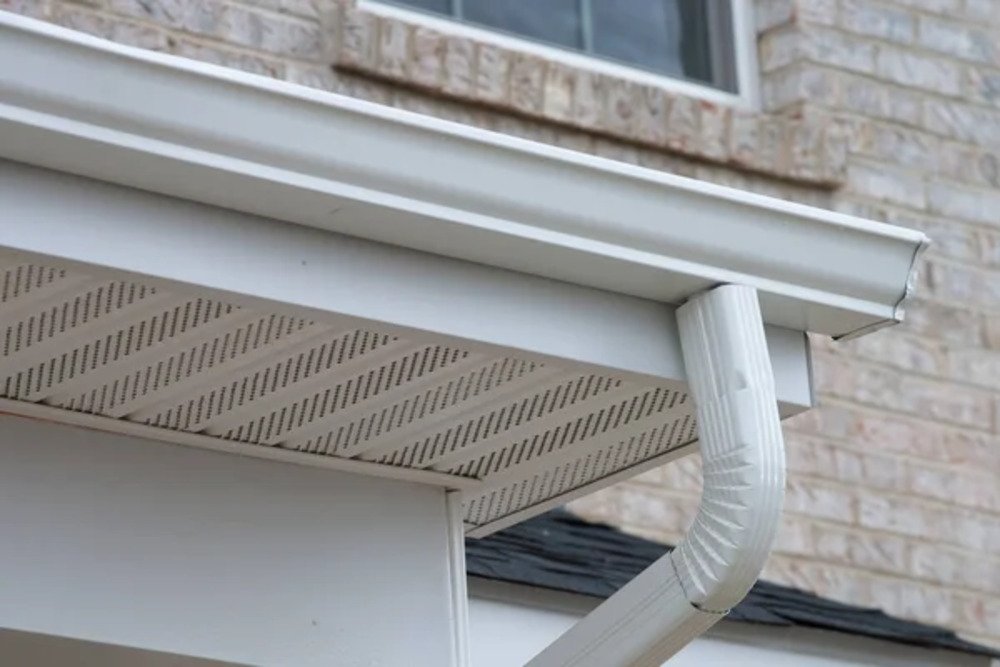
Every gutter system eventually reaches the end of its functional lifespan. Knowing when repair is no longer cost-effective and replacement becomes necessary protects your home from progressive damage while avoiding wasted investment in failing systems. Understanding signs indicating replacement needs, available options, and what quality installation involves helps Columbia homeowners make informed decisions about this significant home improvement investment. Gutter replacement represents substantial expense but provides decades of reliable protection when done properly.
Recognizing When Replacement Is Necessary
The decision between repair and replacement depends on multiple factors including system age, problem extent, and repair costs relative to replacement investment.
Age and Lifespan Considerations
Gutter lifespan varies by material and maintenance quality. Aluminum gutters typically last 20-30 years with proper maintenance, while vinyl may last only 10-15 years, and copper can exceed 50 years. If your gutters are approaching or exceeding expected lifespan for their material and showing multiple problems, replacement typically makes better financial sense than continued repairs. Even if individual components still function, systems nearing end-of-life will increasingly require repairs—you’re throwing good money after bad.
Consider maintenance history. Well-maintained gutters often reach maximum lifespan, while neglected systems may fail prematurely. If you’ve recently purchased a home and don’t know gutter age or maintenance history, visible condition provides clues. Extensive finish deterioration, numerous prior repairs, outdated attachment methods, and overall wear suggest systems approaching replacement needs. When evaluating gutter replacement near me options, request professional age assessment if you’re uncertain.
Multiple or Recurring Problems
Single isolated problems generally warrant repair. However, multiple issues occurring simultaneously or problems recurring despite repairs indicate systemic failure. If your gutters have several of these issues, replacement deserves consideration: numerous leaks at seams, corners, and connections; extensive sagging affecting multiple sections; rust or corrosion throughout the system; cracks or holes in multiple locations; recurring clog problems despite regular cleaning; and persistent drainage issues after pitch adjustments.
When repair costs approach 50% of replacement costs, replacement usually provides better value. You’re investing substantial money in failing systems with limited remaining lifespan. Replacement provides fresh start with modern materials, seamless construction, proper sizing, and comprehensive warranties. Calculate total recent repair expenses—if you’ve spent $800-$1,200 on repairs over recent years, $3,000 for complete replacement makes more financial sense than continued patchwork.
Visible Severe Damage
Certain damage severity indicates replacement rather than repair appropriateness. Extensive rust creating holes throughout steel gutters can’t be effectively patched. Significant corrosion of aluminum gutters indicates material failure. Large cracks or separations compromising structural integrity exceed repair capabilities. Severe sagging or bellying creating permanent deformation can’t be corrected without replacement. Crushed or bent sections from storm damage often require replacement of affected runs.
Fascia damage complicates decisions. If fascia boards are extensively rotted from years of gutter leakage, you’re facing fascia replacement costs anyway. Adding gutter replacement to fascia work makes sense—you’re already paying for access and labor. Installing new gutters on old, deteriorated fascia is counterproductive. The comprehensive approach of replacing both ensures proper installation and eliminates recurring problems.
Incompatibility with Home Improvements
Sometimes replacement becomes necessary due to other home improvements. If you’re replacing roofing, replacing old gutters simultaneously makes excellent sense. Roofing work provides perfect access, many problems exist at roof-gutter interfaces, and new roofing deserves proper drainage protection. Similarly, exterior renovation including new siding, painting, or trim work often necessitates gutter replacement for cohesive appearance and proper integration.
Home additions or modifications may require gutter system changes. Adding square footage changes roof area and water volume requiring larger gutters or additional downspouts. Architectural changes may make existing gutter placement inappropriate. Rather than trying to adapt old systems to new conditions, replacement allows proper system design for your home’s current configuration. When planning major home improvements, include gutter replacement Columbia evaluation in project planning.
Available Gutter Materials and Options
Replacement provides opportunity to select optimal materials and features for your specific needs. Understanding options helps you make informed selections.
Aluminum Gutters
Aluminum dominates residential gutter markets for excellent reasons. The material naturally resists rust and corrosion—critical in Columbia’s humid climate. It’s lightweight yet strong, simplifying installation while providing durability. Aluminum accepts seamless fabrication—continuous runs without leak-prone seams. It’s available in wide color range with durable baked-enamel finishes. Cost is moderate—more than vinyl but less than copper—offering excellent value.
Aluminum gutters come in multiple thicknesses. Standard .027 gauge suffices for budget installations but .032 gauge provides better balance of strength and cost. Premium .040 gauge offers maximum durability. For most Columbia homes, .032 gauge aluminum with quality finish represents the best choice. Expected lifespan is 20-30 years with minimal maintenance. Total replacement cost for average homes ranges $1,500-$3,000 depending on size, gauge, and finish quality.
Vinyl Gutters
Vinyl offers lowest upfront cost—typically 30-40% less than aluminum. This makes it attractive for tight budgets or temporary solutions. Vinyl never rusts and requires virtually no maintenance. However, limitations are significant. The material becomes brittle with age and UV exposure, cracking within 10-15 years in Columbia’s sun. Vinyl can’t be fabricated seamlessly—all installations use sectional systems with numerous potential leak points.
Temperature extremes affect vinyl noticeably. Heat causes expansion potentially separating sections; cold increases brittleness. Color options are limited—typically white or a few neutrals—with no custom painting possibility. Structural strength is lower than aluminum, sagging more readily. For homeowners planning long-term residence or wanting maximum performance, aluminum’s modest additional cost delivers far better value than vinyl’s initial savings.
Copper Gutters
Copper represents premium option with unmatched beauty and longevity exceeding 50 years. The material develops distinctive patina over time that many find attractive. Copper never rusts and maintains structural integrity indefinitely. It’s ideal for high-end homes or matching existing copper elements. However, cost is substantial—$15-$25+ per linear foot installed, totaling $5,000-$8,000+ for average homes.
Few residential situations justify copper’s expense. Unless aesthetics are paramount or matching existing copper, aluminum provides comparable functional performance at fraction of cost. Copper also requires specialized installation expertise not all contractors possess. If you’re considering copper, verify contractors have specific copper experience and request references from copper installations. For most Columbia homeowners seeking replacement, aluminum offers best value proposition.
Steel Gutters
Steel gutters provide maximum strength—beneficial for commercial applications or extreme conditions. However, residential applications rarely require steel’s advantages while accepting its disadvantages. Steel’s critical weakness is rust susceptibility even when galvanized or painted. Columbia’s humidity eventually causes rust development. Steel weighs significantly more than aluminum, requiring stronger attachment and creating more structural stress.
Steel costs more than aluminum initially without corresponding residential benefits. It requires more maintenance including periodic painting to prevent rust. For typical Columbia homes, aluminum provides adequate strength with superior corrosion resistance. Steel may be appropriate for specific situations—commercial properties, areas with extreme wind or debris exposure, or matching existing steel systems—but aluminum suits most residential replacement needs better.
Seamless vs. Sectional Gutter Systems
One of the most important replacement decisions involves seamless versus sectional construction. Understanding differences guides optimal selection.
Seamless Gutter Advantages
Seamless gutters are fabricated on-site using portable roll-forming machines that shape flat aluminum coil into finished gutter profiles. Machines produce continuous runs up to 100 feet or more—limited only by practical handling. Most residential runs are under 50 feet, easily accomplished as single seamless sections. Seamless systems have seams only at inside corners, outside corners, and downspout locations—typically reducing potential leak points by 80-90% compared to sectional systems.
This dramatically improves long-term reliability. Seams are where gutters leak—eliminating most seams prevents most leaks. Seamless gutters also look cleaner with uninterrupted lines and no visible connectors. They’re stronger—continuous material without joints has superior structural integrity. While seamless gutters require professional installation with specialized equipment, the performance advantage justifies the investment. For most Columbia replacements, seamless aluminum represents the optimal choice balancing performance, appearance, and cost.
Sectional System Limitations
Sectional gutters use pre-cut lengths—typically 10 feet—joined with slip connectors and sealed with caulk. Every joint represents a potential leak point. Over time, temperature-driven expansion and contraction stresses these joints, causing seal failures. Sectional systems are available for DIY installation and cost less initially, but long-term performance is inferior.
Sectional gutters work acceptably in specific situations—matching existing sectional systems for partial replacements, temporary installations, or extreme budget constraints. However, for permanent residential replacement, the modest additional cost of seamless installation delivers substantially better long-term value. The performance gap justifies professional seamless installation over sectional DIY approaches for most homeowners.
Proper Gutter Sizing and Configuration
Replacement provides opportunity to address sizing or configuration issues that may have existed with original installations. Proper system design ensures adequate performance.
Determining Appropriate Gutter Size
Standard residential gutters measure 5 inches wide—adequate for roofs up to approximately 2,500 square feet with moderate pitch in Columbia’s rainfall conditions. However, larger roofs, steeper pitches accelerating water flow, or limited downspout locations may require 6-inch gutters handling 40-50% more water volume. Undersized gutters overflow during Columbia’s intense summer thunderstorms regardless of maintenance quality.
Professional installers calculate water volume based on your roof’s square footage, pitch, and local rainfall intensity. They recommend appropriate sizing ensuring reliable performance. While 6-inch gutters cost 10-15% more than 5-inch, the investment prevents overflow problems. For most Columbia homes, 5-inch gutters with properly spaced downspouts perform excellently. Larger or complex homes benefit from 6-inch systems or hybrid approaches using 5-inch gutters with strategic 6-inch sections in high-volume areas.
Downspout Placement and Capacity
Downspout configuration critically affects performance. Standard guidelines recommend maximum 35-40 feet between downspouts—closer spacing for large gutters or high-volume areas. Insufficient downspouts cause water backup and overflow even when gutters are properly sized. Standard 2×3 inch downspouts handle typical residential volume, but 3×4 inch downspouts provide superior flow for larger systems.
Downspout placement should direct water well away from foundations—minimum 4-6 feet with splash blocks or extensions. Consider drainage patterns and landscaping. Avoid placing downspouts where discharge creates problems for walkways, driveways, or neighboring properties. Some situations benefit from underground drainage systems connecting downspouts to drains away from structures. Quality replacement planning addresses complete water management from collection through final discharge.
The Professional Installation Process
Understanding what quality installation involves helps you evaluate contractors and ensures you receive proper service for your investment.
Pre-Installation Assessment
Professional replacement begins with thorough assessment. Contractors measure exact gutter dimensions, evaluate fascia board condition, assess roof edge condition and pitch, identify optimal downspout locations, and consider property grading and drainage needs. They discuss material options, color selections, and configuration recommendations. They provide detailed written estimates specifying all work including material specifications, removal and disposal of old gutters, any necessary fascia repairs, complete installation details, and total cost with payment terms.
Quality contractors answer questions thoroughly and explain recommendations. They don’t pressure immediate decisions but give you time to review proposals and compare options. They provide references and examples of completed projects. This professional approach ensures clear understanding before work begins.
Installation Timeline and Process
For average homes, complete gutter replacement typically takes 1-2 days. Two-story homes or complex rooflines may require additional time. The process includes removing old gutters carefully to prevent fascia damage, inspecting and repairing fascia as needed, fabricating new seamless gutters on-site, installing hangers at appropriate spacing, hanging gutters with correct pitch, attaching downspouts and securing them properly, installing end caps and sealing all joints, and testing with water to verify proper flow.
Expect some noise and activity during installation. Gutter fabrication machines are audible. Workers need access around your home’s perimeter. Reputable contractors protect landscaping, clean up thoroughly, and haul away all old materials. They test systems before completion, ensuring proper function. They review installation with you, explaining maintenance requirements and answering questions.
Quality Installation Details
Certain installation details distinguish quality work from inadequate jobs. Proper pitch of 1/4 inch per 10 feet ensures drainage without being visually obvious. Hangers should be spaced 18-24 inches maximum—closer for thinner gauge gutters. Hidden hangers installed under first shingles provide superior support without visible hardware. All seams, corners, and connections should be properly sealed with quality outdoor-rated sealant. Downspouts should be securely attached with adequate fasteners.
Fascia should be sound before gutter installation—damaged wood requires replacement. Gutters should integrate properly with roof edges without creating gaps. End caps should be sealed completely preventing leaks. After installation, water testing should demonstrate proper flow throughout the system. Quality contractors provide these details as standard practice, but understanding expectations helps you verify you’re receiving appropriate service.
Cost Factors and Budgeting
Gutter replacement represents significant investment. Understanding cost components helps you budget appropriately and evaluate proposals.
Typical Replacement Costs
Complete gutter replacement for average Columbia homes (150-200 linear feet) typically costs $1,500-$3,500 depending on multiple factors. Material selection dramatically affects cost—.032 gauge aluminum with quality finish costs more than .027 gauge or vinyl. Seamless installation costs more than sectional but delivers better performance. Six-inch gutters cost more than five-inch. Premium colors or custom finishes add to cost.
Property characteristics affect pricing. Two-story homes cost more due to additional access requirements and safety equipment. Complex rooflines with numerous corners increase labor and material costs. Difficult access requiring special equipment adds expense. Fascia repair or replacement adds costs beyond gutters themselves. Geographic location and contractor overhead affect local pricing. Request detailed written estimates from multiple contractors for accurate property-specific pricing.
What’s Included in Quality Installation
Ensure estimates specify complete project scope. Quality installation includes complete removal and disposal of old gutters and downspouts, inspection and minor repair of fascia, new seamless aluminum gutters in your selected specifications, appropriate hangers properly spaced, downspouts with secure attachment, end caps and outlet tubes, complete sealing of all joints and connections, and water testing to verify function. Some contractors include gutter guards at additional cost. Clarify exactly what’s included to compare proposals accurately.
Financing and Planning
Many companies offer financing for gutter replacement. This allows spreading costs over time rather than large immediate expense. Review financing terms carefully including interest rates, payment period, and any fees. Some situations may warrant financing—when replacement is urgent due to damage but budget is constrained, or when combining with other home improvements creates temporary cash flow issues. However, if possible, saving for the project and paying cash avoids interest charges.
Plan replacement timing strategically. Spring and fall represent peak seasons with highest contractor demand. Scheduling during slower periods (winter) may provide pricing flexibility. However, don’t delay necessary replacement to save minimal amounts—continued damage from failing gutters often exceeds potential savings from timing flexibility.
Key Takeaways
- Multiple recurring problems, extensive damage, or gutters approaching end of expected 20-30 year lifespan indicate replacement provides better value than continued repairs, offering fresh start with modern materials and proper sizing.
- Seamless aluminum gutters in .032 gauge represent optimal choice for most Columbia homes, balancing performance, longevity, appearance, and cost while providing 20-30 years of reliable service with minimal maintenance.
- Professional installation ensures proper sizing, pitch, attachment, and integration with your home’s specific conditions—quality installation is as important as quality materials for long-term performance and protection.
Frequently Asked Questions
Q: How do I know if I should repair or replace my gutters?
A: Several factors guide the repair-versus-replace decision. Consider replacing if gutters are over 20 years old with multiple problems, if repair costs exceed 50% of replacement costs, if you’ve spent more than $1,000 on repairs over recent years, if problems are widespread rather than localized, or if extensive rust, corrosion, or structural damage exists. Consider repair if gutters are relatively new (under 10 years), problems are isolated to specific sections, repair costs are minimal relative to replacement, or overall system condition is good despite specific issues. Professional assessment helps make informed decisions—contractors can evaluate your situation and provide honest recommendations about whether repair or replacement makes better financial sense.
Q: Can I replace gutters without replacing fascia boards?
A: Yes, if fascia boards are sound and undamaged. Quality contractors inspect fascia thoroughly during estimates—they check for rot, water damage, structural integrity, and proper attachment. Sound fascia can support new gutters effectively. However, if fascia shows damage, replacement before gutter installation is critical. Installing new gutters on damaged fascia leads to poor attachment, recurring problems, and premature failure. While fascia replacement adds cost, it’s necessary foundation for lasting gutter performance. Some contractors include minor fascia repair in gutter installation pricing while extensive damage requires separate carpentry work. Honest assessment of fascia condition prevents problems and ensures new gutters perform as designed.
Q: What maintenance will my new gutters require?
A: New gutters require the same basic maintenance as existing systems—primarily regular cleaning to remove accumulated debris. Most Columbia homes need professional cleaning at least twice annually (spring and fall), more frequently with heavy tree coverage. Between cleanings, inspect systems visually after major storms checking for damage or problems. New seamless aluminum gutters are low-maintenance—they don’t require painting or special treatments. Quality baked-enamel finishes resist fading and deterioration for 20+ years. Consider installing gutter guards during replacement—they dramatically reduce cleaning frequency and long-term maintenance demands. With regular cleaning and prompt attention to any developing issues, quality new gutters provide decades of reliable service with minimal ongoing costs.
Mr. Gutter SC