
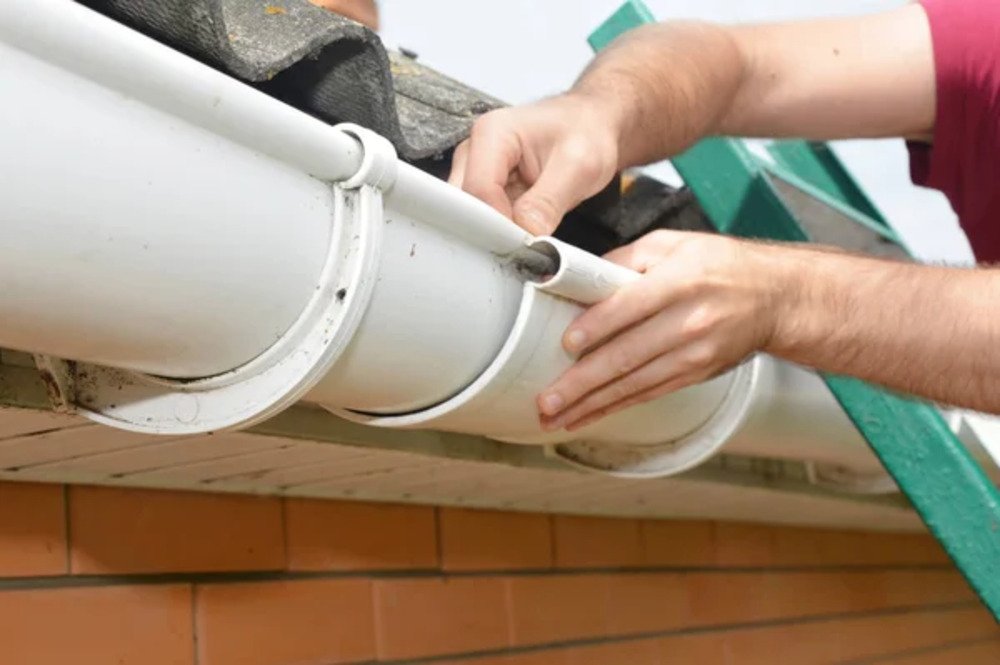
Your home represents one of life’s largest investments, and protecting it requires attention to systems that work silently in the background. Gutter maintenance ranks among the most important yet commonly neglected home care tasks. Properly maintained gutters protect your foundation, prevent water damage, preserve landscaping, and extend the lifespan of your drainage system. Understanding what effective maintenance involves, why it matters in Columbia’s specific climate, and how to implement a practical maintenance schedule helps you protect your property investment while avoiding costly repairs.
Understanding Why Gutter Maintenance Matters
Gutters perform a critical but often invisible function—channeling thousands of gallons of water away from your home’s foundation during every rainstorm. When this system fails due to neglect, the consequences affect multiple aspects of your property.
The Cost of Neglect
Neglected gutters create cascading problems that compound over time. Clogged gutters overflow during rain, sending water cascading down exterior walls. This causes siding deterioration, staining, and potential interior leaks. Water pooling around foundations creates hydrostatic pressure forcing water through cracks or porous concrete. Columbia’s clay soil expands dramatically when saturated, putting lateral pressure on foundation walls that can cause cracks and bowing. Foundation repairs often cost $10,000-$50,000 depending on severity.
Accumulated debris adds significant weight to gutters—wet leaves and sediment can weigh several pounds per linear foot. This weight stress pulls gutters away from fascia boards, damages hangers, and creates sagging sections that can’t drain properly. Once gutters separate from houses, water flows behind them, rotting fascia boards and potentially damaging roof edges. Fascia replacement costs hundreds to thousands depending on extent. Standing water in clogged gutters breeds mosquitoes, creates rust and corrosion, and provides habitat for pests including birds, rodents, and insects that may access your attic.
Protection That Maintenance Provides
Regular gutter maintenance near me services provide prevents these expensive problems through consistent care. Clean gutters channel water effectively, protecting foundations from hydrostatic pressure and saturation. Proper drainage preserves landscaping by preventing erosion and plant damage from concentrated water flow. Regular cleaning reduces stress on gutter hangers and seams, extending system lifespan to its full 20-30 year potential. Maintenance identifies minor problems like small leaks or loose hangers when repairs remain simple and inexpensive.
Well-maintained gutters also protect your home’s value. During property sales, inspectors examine gutters carefully. Poorly maintained systems become negotiating points reducing sale prices or requiring repairs before closing. Documentation of regular professional maintenance demonstrates responsible homeownership and supports premium pricing. The modest investment in routine maintenance—typically $300-$600 annually—prevents damage costing thousands while preserving home value.
Columbia’s Climate and Specific Maintenance Needs
Columbia’s weather patterns create unique challenges requiring tailored maintenance approaches. Understanding seasonal cycles helps you time maintenance for maximum effectiveness.
Spring Maintenance Priorities
Spring brings heavy pollen from pine trees coating everything with yellow dust. This pollen accumulates in gutters, forming sticky residue that traps other debris and restricts water flow. Spring cleaning should occur after pollen season peaks—typically late April or early May in Columbia. This timing removes accumulated pollen before summer storms test your system. Spring also brings tree seed dispersal including maple “helicopters” and other lightweight debris that floats into gutters.
Spring maintenance should include thorough gutter cleaning removing all debris, downspout flushing ensuring clear flow, inspection for winter damage from occasional freezes, and checking that hangers remain secure after temperature cycling. Spring storms can be intense—ensuring gutters function properly before summer storm season prevents emergency situations. Many Columbia homeowners schedule professional gutter maintenance Columbia service in late spring, positioning systems for summer’s challenges.
Summer Storm Readiness
Columbia’s summer thunderstorms bring intense rainfall that tests gutter capacity. These storms can dump several inches in hours, overwhelming undersized or clogged systems. Pre-summer maintenance ensures gutters can handle this volume. Verify downspouts discharge well away from foundations—water concentrated near houses during intense rain creates immediate problems. Check that splash blocks or extensions direct water at least 4-6 feet from foundation walls.
Summer’s heat and UV exposure stress gutter materials and finishes. Inspect for signs of deterioration including paint fading or chalking, sealant cracking at joints, and any sagging from thermal expansion. Address these minor issues before they progress. Summer also brings rapid vegetation growth. Overhanging branches that weren’t problematic in spring may now rub gutters or drop debris. Trim branches maintaining 3-6 feet clearance, reducing debris sources and preventing physical damage.
Fall’s Heavy Debris Season
Fall represents Columbia’s most challenging season for gutters. Oak trees drop enormous quantities of leaves, sweetgum trees shed spiky seed balls, and various species contribute to debris accumulation. This season demands the most attention. Many properties require cleaning multiple times as different trees shed at different rates. Early November typically marks peak leaf drop, making it ideal for thorough fall cleaning.
However, properties with late-dropping trees may need additional service in December. Fall cleaning is critical—entering winter with clogged gutters creates problems even in Columbia’s mild climate. Occasional winter freezes can trap debris in ice, causing expansion that damages gutters. Standing water from clogs freezes, potentially cracking gutters or pulling them from houses. Thorough fall cleaning prevents these issues while preparing systems for winter.
Winter Considerations
Columbia’s winters are generally mild, but occasional freezes require consideration. While not facing the severe ice dam issues of northern climates, standing water in gutters can freeze, causing damage. Ensure fall cleaning was thorough so no standing water remains. Winter is also good time for repairs—contractors are often less busy and weather is usually mild enough for comfortable exterior work.
Winter offers opportunity for visual inspection from the ground. Without leaves on trees, you can see gutters clearly. Use binoculars to check for sagging, damage, or areas that didn’t drain completely after last rain. Winter rain, though less frequent than summer storms, still tests system function. Monitor performance during winter storms, noting any overflow or problems for spring repair.
DIY Maintenance vs. Professional Services
Homeowners face decisions about handling maintenance themselves versus hiring professionals. Both approaches have merit depending on your situation, skills, and comfort level.
What Homeowners Can Do
Basic gutter maintenance is manageable for handy homeowners with proper safety equipment. Cleaning gutters involves removing accumulated debris by hand or with scoop, flushing downspouts with garden hose to clear blockages, and inspecting visible components for obvious damage. Necessary equipment includes sturdy extension ladder rated for your weight plus load, work gloves protecting hands from sharp edges and debris, safety glasses preventing debris from entering eyes, and bucket or tarp for debris collection.
Safety is paramount. Never clean gutters during storms or on windy days. Position ladders on solid, level ground away from power lines. Ideally, have someone nearby aware you’re working at heights. Move ladders frequently rather than overreaching—falls cause thousands of injuries annually. If you’re uncomfortable with heights, have health conditions affecting balance, or lack proper equipment, professional service is safer choice. Save DIY maintenance for single-story sections easily accessible with stable ladder placement.
Benefits of Professional Maintenance
Professional gutter maintenance provides multiple advantages justifying modest cost. Professionals have specialized equipment including high-reach vacuum systems that clean gutters without roof access, pressure washing equipment thoroughly cleaning gutters and downspouts, and lift equipment for safe access to tall or difficult sections. They complete work faster—what might take you an entire weekend, professionals finish in hours. Their expertise identifies developing problems homeowners might miss.
Professional service includes comprehensive inspection examining hangers and attachment, checking for leaks and damage, verifying proper pitch and drainage, assessing fascia board condition, and providing detailed reporting with recommendations. Many companies photograph problems, helping you understand issues and make informed repair decisions. Professionals carry liability insurance and workers’ compensation protecting you from liability if accidents occur. For two-story homes, complex rooflines, or properties with significant tree coverage, professional service provides better value than DIY approaches.
Combination Approach
Many homeowners successfully combine DIY maintenance with professional services. They handle simple single-story sections during minor debris accumulation while scheduling professional service for thorough seasonal cleaning. This approach reduces costs while ensuring comprehensive maintenance. You might clean gutters yourself in mid-summer if light debris accumulates, then hire professionals for thorough fall and spring service addressing peak debris seasons.
Another effective strategy involves DIY maintenance with annual professional inspection. You handle regular cleaning but professionals thoroughly examine systems annually, identifying problems requiring attention. This ensures you don’t miss developing issues while maintaining cost-effectiveness. Whatever approach you choose, consistency matters most—regular maintenance regardless of method provides far better protection than sporadic attention.
Essential Maintenance Tasks and Techniques
Understanding specific maintenance tasks and proper techniques ensures effective care whether you’re doing work yourself or evaluating professional services.
Proper Cleaning Methods
Effective cleaning removes all debris without damaging gutters. Start at downspouts, working backward. This prevents pushing debris into downspouts where it creates stubborn clogs. Use gutter scoops or gloved hands to remove larger debris—leaves, twigs, and sediment. Place debris in buckets rather than tossing to ground, which creates yard cleanup and may damage landscaping. After removing bulk debris, flush gutters with garden hose, starting away from downspouts and working toward them.
This reveals any remaining sediment and tests drainage. Watch water flow—it should move steadily toward downspouts without pooling. Standing water indicates pitch problems requiring professional adjustment. Flush downspouts thoroughly by running water into them from above. If water backs up, downspout is clogged. Use plumber’s snake or pressure washer to clear blockages. For stubborn clogs, disconnect downspout sections for access. After cleaning, inspect interior gutter surfaces for rust, cracks, or damage requiring repair.
Inspection Checklist
Thorough inspection identifies problems before they become serious. Check hangers—they should be secure with no visible separation from fascia. Excessive spacing (over 32 inches) indicates inadequate support likely to cause sagging. Examine all seams, joints, and corners for signs of separation or leaking. Look for water stains or mineral deposits indicating chronic leaks. Inspect gutter pitch by checking for standing water after rain—properly pitched gutters drain completely within hours.
Check fascia boards for rot, staining, or separation—these indicate water has been flowing behind gutters. Examine downspouts for damage, proper attachment, and effective ground-level drainage. Verify splash blocks or extensions direct water away from foundations. Look at gutter exteriors for finish deterioration, denting, or visible damage. Document findings with photos tracking system condition over time. This creates baseline for comparison during future inspections.
Seasonal Preparation
Preparing gutters for seasonal challenges prevents problems. Before summer storms, ensure gutters and downspouts are completely clear, verify systems can handle high water volume, check that ground-level drainage directs water away from foundation, and consider installing or upgrading gutter guards if tree coverage is heavy. Before fall, trim overhanging branches to reduce debris sources, inspect for summer heat damage, and schedule cleaning shortly after peak leaf drop.
Before winter, complete thorough fall cleaning so no standing water can freeze, repair any damage that developed during active seasons, and verify hangers are secure—winter wind can stress weakened attachment. These seasonal preparations position systems for optimal performance when conditions are most challenging, preventing emergencies and protecting your home.
Gutter Guards and Protection Systems
Gutter guards represent significant investment but can dramatically reduce maintenance requirements for appropriate properties. Understanding options helps you evaluate whether protection makes sense for your home.
Do Guards Eliminate Maintenance?
No gutter guard system completely eliminates maintenance—manufacturers claiming “maintenance-free” gutters oversimplify. However, quality guards dramatically reduce maintenance frequency and intensity. Micro-mesh systems made from stainless steel block virtually all debris while handling heavy rainfall effectively. Properties needing twice-yearly cleaning without guards typically need only annual or bi-annual inspection with guards. Guards reduce cleaning time significantly—brushing debris off guard surfaces takes far less time than cleaning gutters full of packed debris.
Guards also extend gutter lifespan by reducing debris weight stress, minimizing standing water exposure, and preventing clogs that cause overflow damage. For homes with heavy tree coverage, guards provide excellent return on investment. Homeowners uncomfortable with ladder use or aging homeowners wanting to reduce physical demands also benefit substantially. However, guards represent significant investment—$2,000-$4,500 for typical homes—making them optional rather than necessary for all properties.
Choosing Quality Protection
Guard quality varies dramatically. Micro-mesh stainless steel systems offer best performance—tiny openings block even pine needles while water flows through effectively. Reverse curve systems work well for leaf debris but may allow smaller particles through. Avoid foam or brush inserts—they trap fine debris requiring periodic removal and replacement. Screen systems with large openings allow some debris through, reducing but not eliminating cleaning needs.
Installation quality matters as much as product quality. Proper attachment, correct pitch alignment, and integration with existing systems determine performance. Research companies thoroughly—check reviews, verify installation experience, and understand warranty terms. Quality systems include comprehensive warranties covering materials for 20-30 years and workmanship for several years. Installation costs are included in total pricing, typically $15-$25 per linear foot for quality systems professionally installed.
Creating Your Maintenance Schedule
Effective maintenance requires systematic approach rather than sporadic attention. Developing and following consistent schedule provides optimal protection.
Recommended Frequency
Most Columbia homes benefit from professional cleaning at least twice annually—late spring after pollen season and early fall after leaf drop. Properties with heavy tree coverage may need quarterly service. Properties with minimal tree exposure might manage with annual professional cleaning plus occasional DIY inspection. Your specific needs depend on tree coverage and types (pines drop needles year-round requiring more frequent attention), gutter guard presence (reduces frequency but doesn’t eliminate needs), prior problem history (chronic clogs indicate inadequate frequency), and home height and accessibility (difficult access favors less frequent but thorough professional service).
Building Maintenance into Annual Routines
Integration into regular home maintenance simplifies consistency. Many homeowners schedule spring gutter service when arranging lawn maintenance, air conditioning servicing, or other annual spring tasks. Fall service coordinates with other winter preparation—before holiday decorating or as leaves finish dropping. Some prefer scheduling both services at once—arranging spring and fall appointments in January ensures dates are secured and removes scheduling burden.
Calendar reminders help maintain consistency. Set reminders for inspection after major storms, even if you recently cleaned. Quick visual checks identify storm damage promptly. Monthly quick visual inspections from ground level catch developing problems. Using binoculars, check for visible debris accumulation, obvious sagging or damage, and proper water discharge after rain. These quick checks take minutes but prevent surprise emergencies.
Working with Professional Services
Establishing relationship with reliable gutter service provider simplifies maintenance. Many companies offer annual service agreements providing scheduled spring and fall cleaning, priority scheduling for emergency service, discounted rates for contract customers, and consistent service from familiar technicians. These agreements ensure maintenance happens consistently while simplifying your responsibilities.
When selecting service providers, verify licensing and insurance, read reviews from local customers, request references from long-term clients, compare pricing but avoid choosing only on lowest bid, and understand what services include. Quality companies provide detailed service including thorough cleaning and flushing, comprehensive inspection with reporting, minor repairs included in service price, and consultation on any problems requiring attention. They communicate clearly about schedules, arrive as promised, and stand behind their work.
Key Takeaways
- Regular gutter maintenance is among the most cost-effective home protection investments, preventing foundation damage, water infiltration, and system failures that cost thousands to repair while maintaining home value.
- Columbia’s climate demands seasonal approach to maintenance—late spring cleaning after pollen season and thorough fall cleaning after leaf drop, with additional attention for properties with heavy tree coverage or specific challenges.
- Professional maintenance provides comprehensive care and expertise that justifies modest cost for most homeowners, particularly those with two-story homes, physical limitations, or inadequate safety equipment for elevated work.
Frequently Asked Questions
Q: How much does professional gutter maintenance typically cost in Columbia?
A: Professional gutter cleaning in Columbia typically costs $150-$300 per service for average single-story homes with 150-200 linear feet of gutters. Two-story homes or properties with complex rooflines cost $250-$400 per service. Factors affecting cost include home height and accessibility, total linear footage of gutters, extent of debris accumulation (heavily clogged gutters cost more), and additional services requested (like minor repairs). Annual service contracts providing two seasonal cleanings often offer 10-15% discount versus individual service pricing. While cost varies, the investment prevents damage costing thousands, making it extremely cost-effective insurance for your home.
Q: How can I tell if my gutters need immediate attention between scheduled maintenance?
A: Several warning signs indicate urgent maintenance needs: visible overflow during rainfall suggests clogs or pitch problems requiring immediate attention; water pooling around foundation after rain indicates gutters aren’t directing water properly; visible sagging or gutters pulling from house signal structural issues demanding prompt repair; interior water damage (ceiling stains, wall moisture) requires immediate investigation; visible plant growth in gutters indicates severe neglect needing urgent cleaning. Additionally, if you notice unusual sounds (loud dripping, rushing water) during rain, inspect promptly. Between scheduled maintenance, quick visual checks after storms identify these issues early when intervention prevents serious damage.
Q: Are gutter guards worth the investment for Columbia homes?
A: Gutter guards provide excellent value for specific situations but aren’t necessary for all homes. Strong candidates for guards include properties with heavy tree coverage requiring frequent cleaning, two-story or difficult-access homes where cleaning is challenging, homeowners uncomfortable with ladder use or physical limitations, and older homeowners wanting to reduce physical demands. Quality micro-mesh systems cost $2,000-$4,500 installed but typically pay for themselves within 5-10 years through reduced cleaning costs. They dramatically reduce but don’t eliminate maintenance. Properties with minimal tree exposure may not justify guard investment—regular cleaning remains cost-effective. Evaluate your specific situation considering tree coverage, cleaning frequency, and accessibility challenges to determine whether guards make financial sense.
Mr. Gutter SC