
Gutter maintenance represents one of homeownership’s most demanding yet critical responsibilities. For Columbia residents tired of climbing ladders multiple times yearly or paying for frequent professional cleaning, gutter guards Columbia installations offer an appealing solution. Understanding how these protection systems work, their benefits and limitations, and whether they justify their cost helps homeowners make informed decisions about this significant investment in home maintenance reduction.
Understanding Gutter Guards and How They Work
Before evaluating whether gutter guards make sense for your property, understanding the technology and options available provides essential context for informed decision-making.
What Are Gutter Guards?
Gutter guards are protective covers designed to keep debris out of gutters while allowing water to flow freely through your drainage system. These systems act as barriers between falling leaves, pine needles, twigs, seed pods, and other debris that would otherwise accumulate in gutters and cause blockages. The fundamental principle is simple—create a barrier that water can pass through but debris cannot.
However, the execution varies dramatically across different guard types, with some performing far better than others in real-world conditions. Quality guards are engineered to handle high-volume water flow typical during Columbia’s intense summer thunderstorms while excluding even small debris particles like pine needles that plague many local properties. The best systems use principles of water adhesion and surface tension, where water follows the curve of the guard surface and enters gutters while debris lacks the momentum to make the turn and instead falls to the ground.
Types of Gutter Guard Systems Available
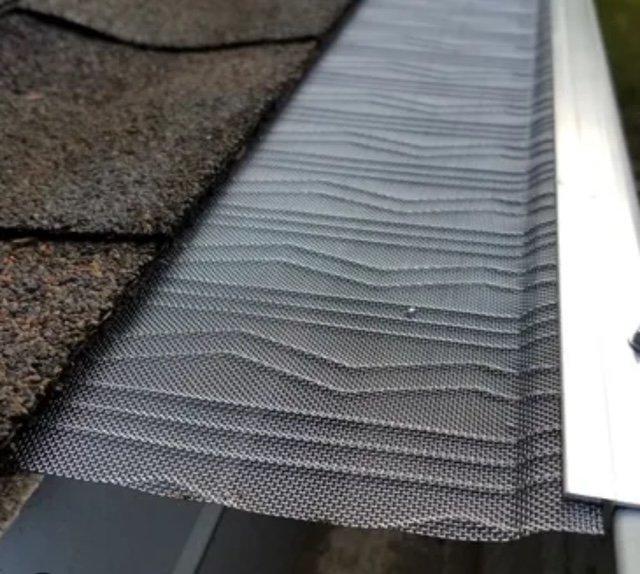
The market offers several distinct guard types, each with unique characteristics and performance profiles. Micro-mesh guards feature surgical-grade stainless steel mesh with tiny openings—measured in microns—that block virtually all debris while maintaining excellent water flow. These premium systems typically install under the first row of roof shingles, providing comprehensive coverage and superior performance.
Screen guards use perforated metal or plastic with larger openings that block leaves and large debris but may allow pine needles and small particles through. Reverse curve systems feature solid covers with narrow openings at the forward edge, using surface tension to direct water into gutters while debris falls away. Foam inserts fill gutters with porous material allowing water to filter through while blocking debris—inexpensive but with significant limitations. Brush guards look like large pipe cleaners sitting in gutters, catching debris while water flows around bristles.
Each type offers different balances of performance, cost, and maintenance requirements. Understanding these differences helps match systems to your specific property needs and expectations.
The Science Behind Effective Protection
Effective gutter protection relies on engineering principles rather than simple physical barriers. Quality systems are designed so water’s surface tension causes it to cling to guard surfaces and follow curves into gutters, while solid debris lacks the adhesion properties to follow the same path. The size and design of openings are carefully engineered to handle the volume of rainfall typical in South Carolina—often 20-25 inches per hour during intense storms—while excluding debris particles.
Material selection affects performance significantly. Stainless steel resists corrosion in Columbia’s humidity and maintains structural integrity through temperature extremes. Aluminum provides good performance at moderate cost. Plastics and vinyl are vulnerable to UV degradation and temperature-related brittleness. The angle and pitch of guard installation affects water entry—proper installation is as critical as quality materials for optimal performance. When evaluating gutter guards near me, understanding these engineering principles helps you ask informed questions about product performance and installation quality.
Benefits of Installing Gutter Guards in Columbia
Gutter guards provide multiple advantages particularly valuable for Columbia’s climate and vegetation challenges. Understanding these benefits helps evaluate whether investment makes sense for your situation.
Reduced Maintenance Requirements
The most immediate and obvious benefit is dramatically reduced cleaning frequency. Without guards, Columbia properties typically need professional gutter cleaning at least twice annually, often more frequently with heavy tree coverage. Each cleaning costs $150-$300, totaling $300-$900+ annually depending on property size and service frequency.
Quality gutter guards reduce cleaning frequency to once every few years for inspection purposes rather than actual cleaning. Properties requiring quarterly cleaning without guards might need only annual service with guards. This reduction translates to significant time savings if you clean gutters yourself—no more spending weekends on ladders removing debris. It means substantial cost savings through reduced professional service needs. It eliminates the hassle and scheduling burden of arranging regular maintenance.
Beyond scheduled maintenance, guards eliminate emergency cleaning needs when unexpected storms deposit heavy debris or when you notice overflow indicating clogs. This convenience factor is particularly valuable for aging homeowners, those with physical limitations, or busy professionals who struggle to find time for regular maintenance.
Protection Against Clogs and Overflow
Columbia’s intense summer thunderstorms test gutter capacity. When gutters clog, water overflows rather than being channeled away from foundations. This overflow causes multiple problems including water pooling around foundations leading to cracks and settlement, erosion undermining landscaping, water damage to siding and exterior finishes, and safety hazards from water on walkways.
Guards prevent the debris accumulation that causes clogs, ensuring gutters function properly even during the heaviest rainfall. They maintain full water flow capacity year-round rather than gradually declining as debris accumulates between cleanings. This consistent performance protects your foundation and landscape during Columbia’s most challenging weather. The peace of mind knowing your gutters will function during storms—without you needing to check and clean them beforehand—represents significant value for many homeowners.
Pest Prevention and Long-Term Savings
Clogged gutters create ideal habitats for various pests. Standing water breeds mosquitoes carrying diseases including West Nile virus and Zika. Accumulated debris provides nesting material for birds and shelter for rodents that may use gutters as pathways to attics. Wasps and hornets build nests in debris-filled gutters. These pest problems extend beyond gutters to threaten your home’s interior and your family’s comfort and health.
Guards eliminate the debris accumulation and standing water that attract pests, providing a cleaner, more hygienic gutter system. This pest prevention has real value—professional mosquito control, wasp nest removal, and rodent exclusion services cost hundreds of dollars. Beyond immediate maintenance savings, guards extend gutter system lifespan by reducing debris weight stress on hangers, minimizing standing water exposure that accelerates corrosion, and preventing the clogs that cause overflow damage to gutters and fascia.
Extended Gutter System Lifespan
Quality aluminum gutters typically last 20-30 years with proper maintenance. However, neglected systems often fail prematurely from corrosion caused by standing water, stress from debris weight pulling gutters away from fascia, and damage from overflow. Guards help gutters achieve their full lifespan potential by maintaining clean conditions and reducing stress factors. When you consider gutter replacement costs $2,000-$4,000 for typical homes, extending system life by even 5-10 years provides substantial value offsetting guard installation costs.
Comparing Gutter Guard Systems
Understanding how different guard types compare helps you select the system best matching your property’s needs, budget, and performance expectations.
Micro-Mesh Guards
Micro-mesh systems represent the premium option, featuring stainless steel mesh with openings as small as 50 microns—finer than human hair. This extremely fine mesh blocks virtually all debris including pine needles, roof grit, and small seeds that penetrate other systems. Quality micro-mesh handles Columbia’s heavy rainfall excellently, processing high water volumes without overflow when properly installed.
The mesh typically installs under the first row of roof shingles, providing comprehensive coverage across the entire gutter width. Installation quality is critical—improper pitch or inadequate roof attachment compromises performance. Micro-mesh requires minimal maintenance—occasionally brushing accumulated debris from the top surface, perhaps 1-2 times yearly in heavy debris areas. This simple maintenance takes minutes without climbing ladders.
Durability is exceptional—quality systems last 20-30 years, often matching gutter lifespan. They’re among the most expensive options, typically $15-$25 per linear foot installed, but offer the best performance-to-maintenance ratio. For Columbia properties with mixed vegetation including pines, oaks, and other debris sources, micro-mesh provides the most reliable protection.
Reverse Curve Systems
Reverse curve guards feature solid covers with narrow openings at the forward edge. Water follows the curve into gutters while debris falls to the ground—an elegant solution relying on surface tension rather than screening. These systems handle large leaves and heavy water volume well when properly installed and pitched.
However, they have limitations. Very fine debris like pine needles or roof grit may occasionally enter the opening. Strong winds can blow lightweight leaves into openings. Some local building codes restrict reverse curve systems due to ice dam concerns in cold climates, though this is less relevant in Columbia’s mild winters. They typically cost $15-$30 per linear foot installed—comparable to micro-mesh. Performance depends heavily on installation quality—improper pitch dramatically affects function.
Reverse curve systems work well for properties with primarily large-leaf trees and fewer pines. They require minimal maintenance when working properly but may need periodic inspection to ensure openings remain clear. For Columbia’s mixed vegetation, they’re less versatile than micro-mesh but acceptable for specific situations.
Screen and Foam Options
Screen guards with larger openings (1/4 inch or more) provide basic protection at moderate cost—typically $7-$12 per linear foot installed. They block leaves and large debris but allow pine needles, seeds, and small particles through. This means reduced but not eliminated cleaning needs—properties might need annual cleaning versus quarterly without guards.
Foam inserts represent the lowest-cost option at $4-$8 per linear foot for materials, though professional installation adds labor costs. Foam fills gutters, allowing water to filter through while blocking debris. However, foam has significant limitations including UV degradation breaking down material within 5-10 years, trapping fine debris within the foam structure requiring eventual replacement, and potential for seeds and vegetation to grow in trapped debris.
Both options provide value for budget-conscious homeowners wanting some protection, but they offer less comprehensive performance than premium systems. For Columbia properties, screens work acceptably for light debris situations while foam is best suited for temporary solutions or extreme budget constraints.
Cost Analysis: Investment vs. Long-Term Value
Understanding the financial aspects helps evaluate gutter guards as investments rather than simple expenses, considering both immediate costs and long-term value.
Installation Costs by System Type
Guard installation costs vary significantly based on system type, materials, home size, and roof complexity. For a typical Columbia home with 150 linear feet of gutters, costs range from $600 for DIY foam inserts to $2,000-$3,000 for professional micro-mesh installation. Specifically, DIY foam or brush inserts cost $600-$1,200 for materials only. Professional screen installation runs $1,050-$1,800. Quality micro-mesh systems cost $2,250-$3,750. Premium reverse curve systems range from $2,250-$4,500.
Two-story homes, complex rooflines, or difficult access increase costs by 20-50%. These prices include complete installation by licensed, insured contractors. Material-only prices for DIY installation are substantially lower but don’t include labor, expertise, or installation guarantees. When comparing quotes, ensure proposals specify materials including brand, type, and gauge, complete installation details, warranty terms for materials and labor, and what’s included versus extra-cost items.
Maintenance Savings Over Time
Calculate savings by comparing current cleaning costs against reduced needs with guards. Without guards, professional cleaning costs $300-$900 annually depending on frequency. Over 20 years, this totals $6,000-$18,000. With quality guards, cleaning reduces to once every 2-3 years for inspection—$150-$225 per service or $1,000-$1,500 over 20 years.
Even accounting for occasional guard surface cleaning, savings are substantial—typically $5,000-$16,500 over 20 years. This doesn’t include prevented damage from better-functioning gutters—even one avoided foundation repair costing $10,000+ dramatically improves returns. Time savings if you currently clean gutters yourself represents additional value—recovering dozens of hours over guards’ lifespan.
ROI Timeline for Columbia Homeowners
Return on investment depends on multiple factors including guard system cost, current cleaning frequency and costs, prevented damage value, and system longevity. A typical scenario: $3,000 micro-mesh system installed, $600 annual cleaning cost eliminated, $150 inspection every 2-3 years needed. Simple payback: 5-6 years through cleaning savings alone.
However, full ROI calculation includes prevented damage—guards’ consistent performance prevents foundation issues, fascia rot, and landscape damage potentially costing thousands. They extend gutter lifespan, delaying $3,000+ replacement costs. They add home value by reducing maintenance requirements—attractive to buyers. Over a quality system’s 20-25 year lifespan, total ROI often exceeds 300-500%. For homeowners planning to stay in homes long-term, guards offer clear financial advantages beyond convenience.
Choosing and Installing the Right System
Selecting and properly installing appropriate guards ensures you receive expected performance and value from your investment.
Assessing Your Home’s Specific Needs
Consider multiple factors when evaluating options. What debris types threaten your gutters—primarily leaves, pine needles, mixed vegetation? Columbia properties with heavy pine coverage need systems that excel at excluding needles—micro-mesh performs best. Properties with primarily oaks do well with various systems.
How much rainfall must guards handle? Columbia’s intense storms require systems tested for high-volume flow—at least 20-25 inches per hour capacity. What’s your maintenance tolerance? If you want minimal involvement, invest in premium systems requiring almost no attention. If you’re willing to occasionally brush debris from surfaces, more options work.
What’s your budget for both installation and long-term costs? Higher upfront investment in quality systems typically provides better long-term value. How long do you plan to stay in your home? Long-term residents benefit most from premium systems while shorter-term homeowners might choose moderate options. Do you have physical limitations making ladder use difficult? Guards provide particular value for aging homeowners or those with mobility issues.
Professional Installation vs. DIY
Professional installation provides significant advantages despite higher cost. Professionals ensure proper pitch maintaining water flow, correct attachment preventing roof damage or leaks, appropriate sealing and integration, and testing confirming function before completion. Installation includes warranties on materials and workmanship providing protection if problems develop.
DIY installation saves money upfront but risks improper pitch compromising drainage, attachment methods that void roof warranties or cause leaks, inadequate sealing creating problems, and time-consuming trial-and-error. Quality micro-mesh and reverse curve systems require professional installation—they attach under shingles and improper installation causes roof problems. Simple snap-on screens might work for experienced DIYers but professional installation still provides better results.
Consider your skill level honestly. Improper installation compromises performance and may cause damage costing more than professional installation would have. For most homeowners, professional installation provides better value through proper execution and warranty protection.
What to Look for in an Installation Company
Select installation contractors carefully to ensure quality results. Verify proper licensing and insurance—essential protections for you and installers. Look for experience with specific products you’re considering—not all contractors install all systems well. Request local references from recent installations—contact references asking about quality, communication, and satisfaction.
Compare detailed written estimates specifying materials, installation methods, warranty terms, and total costs. Understand what warranties cover—both materials (typically 20-30 years) and workmanship (1-5 years minimum). Ask about post-installation service—will they respond if problems develop? Quality contractors communicate clearly, answer questions thoroughly, and stand behind their work.
Key Takeaways
- Quality gutter guards dramatically reduce maintenance requirements from 2-4 cleanings annually to once every few years, saving $5,000-$16,500 over 20 years while eliminating the hassle and safety risks of frequent cleaning.
- Micro-mesh stainless steel systems offer the best overall performance for Columbia’s climate, handling heavy rainfall, diverse debris types including pine needles, and humid conditions while requiring minimal maintenance and providing 20-30 year lifespans.
- Professional installation ensures optimal performance and warranty protection—proper pitch, secure attachment, and integration with your specific roof type are critical for long-term success, making the installation premium worthwhile for most homeowners.
Frequently Asked Questions
Q: Do gutter guards really work, or are they just marketing hype?
A: Quality gutter guards absolutely work when properly selected and installed, though performance varies dramatically by system type. Premium micro-mesh systems block 95-99% of debris while maintaining excellent water flow—they dramatically reduce cleaning frequency as promised. However, no system is truly “maintenance-free” as manufacturers sometimes claim. Even the best guards need occasional surface brushing to remove accumulated debris. Lower-quality systems like foam inserts or large-opening screens provide marginal benefits and may disappoint. The key is selecting appropriate systems for your specific debris types and having them professionally installed. Columbia properties with heavy pine coverage particularly benefit from micro-mesh that excludes needles. For properties with primarily large-leaf trees, various systems work well. Research specific products, read independent reviews, and work with experienced installers for best results.
Q: Will gutter guards void my roof warranty?
A: Quality guards installed properly by trained professionals typically don’t void roof warranties. However, improper installation that damages shingles, compromises seals, or creates leak paths can void warranties. Systems requiring attachment under shingles need particularly careful installation following manufacturer specifications. Before installation, verify with your roofing manufacturer that the proposed system and attachment method comply with warranty terms. Request written confirmation from installers that installation won’t affect your roof warranty. Reputable gutter guard installers understand these concerns and use approved methods. DIY installation is most likely to void warranties due to improper techniques or damage during installation. This is another reason professional installation provides value—experienced installers protect your roof and its warranty while ensuring guard performance.
Q: Can gutter guards be installed on existing gutters?
A: Yes, most gutter guard systems can be installed on existing gutters if they’re in good condition. Professional installers first inspect gutters for proper pitch, secure attachment to fascia, absence of significant leaks or damage, and structural soundness. If gutters are sagging, leaking extensively, or damaged, repairs or replacement may be necessary before guard installation. Installing guards on compromised gutters wastes money—guards can’t perform properly on failing infrastructure. Some older or non-standard gutter profiles may not accept certain guard systems—installers assess compatibility during estimates. If your gutters are over 20 years old or showing significant wear, consider replacing them when adding guards for a comprehensive long-term solution. This combined approach provides decades of reliable, low-maintenance performance.
Mr. Gutter SC